
There is a persistent, industry-wide misconception that a restaurant’s credibility is tied to the physical weight of its wine menu. For decades, fine dining establishments have weaponized massive, leather-bound volumes of obscure vintages to intimidate diners, forcing them into a state of decision paralysis. But modern culinary intelligence relies on curation, not sheer volume. When you are looking for the most thoughtfully constructed wine list Upper Montclair has to offer, you should be looking for a program that serves as a focused, accessible tool rather than a test of your viticultural knowledge.
At De Novo European Pub, the beverage program operates with the same disciplined restraint as the kitchen. The by-the-glass list is not a dumping ground for bulk-purchased juice; it is a highly engineered selection of varietals chosen specifically to engage in a direct dialogue with the menu. A truly great restaurant understands that the majority of its patrons are ordering by the glass to accommodate the diverse flavor profiles of a shared table.
When one diner orders pristine, raw bluefin tuna and another commits to heavily braised beef, a single bottle is rarely the correct tactical move. A concise, intelligent glass list is the ultimate equalizer, allowing the table to maneuver through the meal with precision.
The Architecture of the By-The-Glass Program
Operating a successful by-the-glass program is an exercise in extreme operational discipline. Because wine degrades rapidly once exposed to oxygen, the selections must be compelling enough to ensure constant turnover. If a restaurant offers twenty obscure glasses but only pours three of them a night, the remaining inventory oxidizes, effectively ruining the experience for the next guest.
De Novo solves this by focusing heavily on versatile European wine Montclair locals actively want to drink. The list leans into structured French whites, robust Italian reds, and mineral-driven coastal varietals that offer immediate gratification without requiring an hour of decanting. It is a program built entirely on utility. Every single pour is designed to either cut through the fat of the kitchen’s heavier dishes or elevate the delicate brine of their seafood.
Structural Mechanics: Pairing Acid and Fat
To understand the genius of a curated list, you have to look at the chemical mechanics of a meal. Wine pairing is fundamentally about tension. If a kitchen serves a dish heavily anchored by butter, cream, or animal fat, the accompanying wine must possess enough acidity to physically scrape that fat off the palate. Without that acidic tension, the diner quickly succumbs to palate fatigue, and the dish becomes an arduous chore to finish.
Take, for instance, the restaurant’s approach to wine pairings for pasta. When tackling the luxurious depth of a lobster and sherry cream sauce, the obvious instinct might be to reach for a heavy, oak-driven Chardonnay. However, the far more intelligent play is a high-acid, unoaked white—perhaps a sharp Sancerre or a crisp Vermentino. The acidity functions as a blade, slicing through the cream and resetting the tongue for the next bite. For diners interested in the strict science behind these interactions, this definitive guide to the mechanics of food and wine pairing perfectly illustrates how tannins, alcohol, and acidity alter our perception of weight and flavor.
| The Menu Selection | The Structural Challenge | The Strategic By-The-Glass Pairing |
| Short Rib Agnolotti | High fat content and deep, slow-braised umami requiring significant palate-cleansing power. | A structured, high-tannin Nebbiolo or Cabernet Sauvignon to bind to the animal proteins. |
| Blackened Salmon | Bold, aggressive surface spices paired with the natural, heavy oils of the fish. | A chilled, fruit-forward Pinot Noir or a dry Rosé to balance the heat without clashing with the oil. |
| Grilled Octopus | Smoky char layered with the sharp acidity of red wine stewed onions. | A crisp, mineral-heavy Albariño or Sauvignon Blanc to match the acidity and elevate the brine. |
| Mushroom Pappardelle | Earthy, fungal notes competing with the overwhelming richness of whipped truffle ricotta. | An earthy, medium-bodied Chianti Classico to complement the mushrooms while cutting the dairy. |
Removing the Intimidation Factor
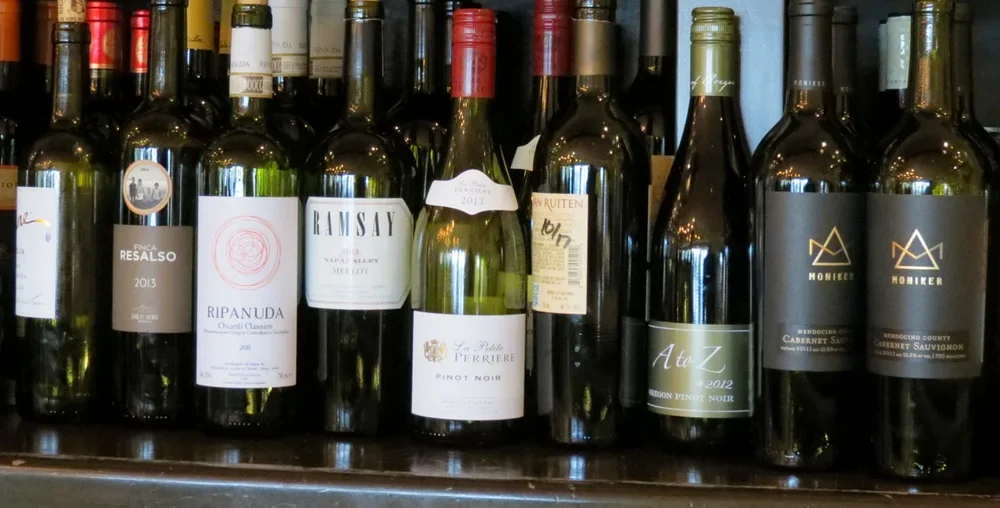
A curated list is only as effective as the staff pouring it. One of the hallmarks of the premier by-the-glass wine NJ venues offer is a front-of-house team that acts as a guide rather than a gatekeeper. At De Novo, the dialogue between the server and the diner is refreshingly straightforward.
There is no performative swirling or archaic sommelierspeak. The staff simply wants to know what you are eating and what kind of weight you prefer in a glass. This demystification of wine is crucial. It returns the beverage to its original, historical purpose: acting as a liquid condiment designed entirely to make your food taste better.
The Anchor of the European Pub Experience
When you sit at the De Novo bar or settle into the dining room, the wine list should not be a source of stress. It is a carefully built roadmap designed to heighten the architectural triumphs of the kitchen. By refusing to play the volume game and focusing instead on strategic, highly compatible European varietals, the restaurant proves its maturity.
A massive cellar might look impressive on paper, but a tight, flawless glass list is what actually elevates a weeknight dinner. It guarantees that whether you are dropping in for a quick bite after the train or lingering over a massive, multi-course celebration, the perfect pairing is already open, breathing, and waiting to be poured.