
A HISTORIC LANDMARK • EST. LATE 19TH CENTURY
From Steam to Steam-Jacketed Kettles
The History of the Upper Montclair Train Station
To truly understand the soul of De Novo Montclair, you have to understand the bones of the building it occupies. A restaurant’s atmosphere is often manufactured, but here, it is inherited.
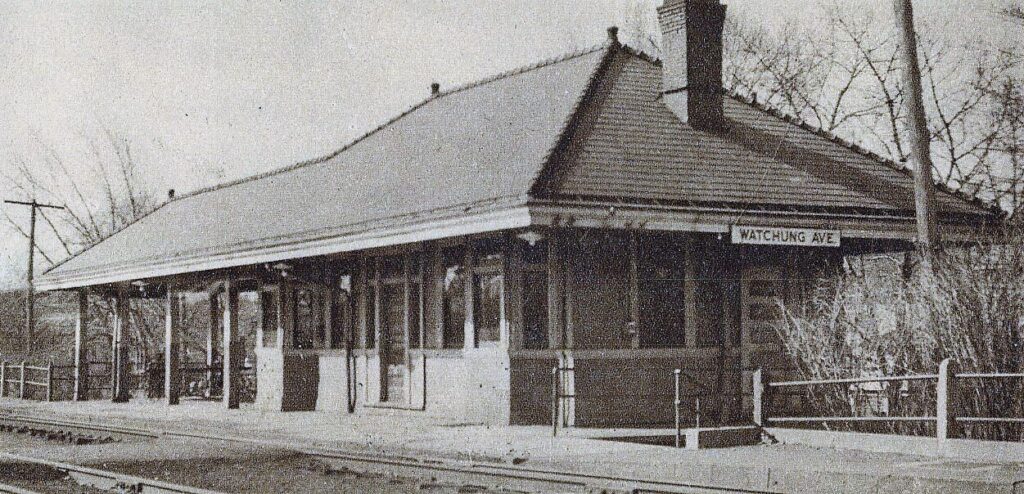
Housed within the historic Upper Montclair Train Station, De Novo operates inside a structure that has served as the bustling gateway to this community since the late 19th century.
When you sit down for a plate of house-made pasta or fresh nigiri, you are dining in a space where generations of commuters once waited for steam engines. Here is the story of how a critical transit hub transformed into a temple of modern hospitality.
The Architecture: A Statement of Permanence
During the expansion of the New Jersey railways, most local stations were built as simple, utilitarian wooden structures. The Upper Montclair station, however, was designed to make a statement.
Built in the striking “Mission” or “Spanish Renaissance” style, the building is a rarity among Northeastern transit hubs.
The Design Elements
- Red-tiled roof
- Sweeping arched doorways
- Sturdy masonry
The Purpose
- To evoke permanence
- To signal prosperity
- To welcome affluent residents to a growing suburb
The Transformation: “Beginning Again”
For decades, the station was purely a place of transition—a spot to grab a newspaper, check a pocket watch, and catch the train to Hoboken or Manhattan.
But as Montclair evolved into one of New Jersey’s premier culinary and cultural destinations, the role of the station began to shift.
Its historical and architectural significance was formally recognized when it was listed on both the State and National Registers of Historic Places. This protected the bones of the building, paving the way for its next chapter.
The Malki Touch: Preserving the Past, Plating the Future
When veteran restaurateur Demetri Malki took over the space in 2014, the challenge was clear: How do you build a warm, modern European pub without destroying the historic integrity of a 19th-century train station?
By choosing to dine at De Novo, you aren’t just eating at a restaurant; you are actively participating in the ongoing history of Upper Montclair. You are sitting exactly where a century of commuters have stood, raising a glass in a space that has been beautifully, intentionally begun anew.