

Personalized dining experiences have moved from a nice extra to a practical expectation for many guests. The shift is not only about apps or rewards. It is about whether a restaurant remembers useful preferences, explains menu details clearly, offers perks that fit the guest, and still keeps the warmth of hospitality at the table. As someone who thinks about food through the lens of gatherings and community, I see the strongest ideas as the ones that help diners feel known without making the meal feel managed by a screen.
The clearest 2026 signal is that diners want recognition with purpose. In March 2026, DoorDash reported survey findings from about 3,000 U.S. consumers: 65% said remembering preferences such as dietary restrictions, favorite dishes, or seating would directly affect how often they choose a restaurant; 63% said a personalized recommendation or follow-up had prompted them to return in the previous six months; and 59% actively sought allergen or dietary information when ordering, or welcomed seeing those details DoorDash trends report.
Why Personalized Dining Experiences Feel Different In 2026
Personalized Dining Experiences Start With Recognition
The most useful version of personalization starts before the first plate lands. A host who sees a returning guest’s preferred seating note, a server who knows a diner usually asks about dairy, or a reservation system that helps a restaurant prepare for a birthday dinner can all make the meal feel easier. The goal is not to impress guests with data. The goal is to remove friction so people can focus on the table, the food, and the company.
Toast’s July 2026 Regulars Report showed the gap between what guests want and what many receive. Only about 30% of guests said they always feel recognized at restaurants they visit most, while 48% said being remembered by staff, including by name or order, makes them feel most valued. Toast also reported that only 20% of guests consistently receive personalized experiences, leaving most diners with a more anonymous feeling Toast Regulars Report.
Menu Details Are Part Of Hospitality
Clear menu information is now part of the guest experience, not just a back-office detail. Diners are asking more questions about ingredients, dietary needs, portion choices, and substitutions. Restaurants do not need to promise every adjustment, but they do need to communicate what is possible. A guest with a dietary restriction should not have to guess whether the team can answer basic questions. A guest planning a group dinner should know whether shared plates, prix fixe menus, or seating requests are realistic before booking.
This is where personalized dining experiences can feel especially human. A thoughtful restaurant can use guest notes to prepare, then confirm details in person rather than assuming the record is complete. That balance matters because preferences can change, and special requests may need direct conversation. Good personalization leaves room for hospitality judgment.
The Practical Shift From Discounts To Belonging
Perks Work Best When They Feel Relevant
Discounts are still part of the picture, but diners appear to value relevance as much as the dollar amount. The DoorDash research reported that 87% of consumers said a credit, discount, or perk influenced them to reorder when the outreach felt timely and relevant. That phrase matters. A perk that arrives after a favorite dish returns, or after a guest has booked a family dinner, can feel useful. A generic offer that has nothing to do with the diner’s habits may fade into the noise.
For restaurants, the lesson is not to send more messages. It is to send better ones. For diners, the practical move is to decide what kind of contact is welcome. If you enjoy reminders about seasonal menus, loyalty credits, or chef events, opt in. If you prefer less communication, check the settings rather than judging the whole restaurant by one unwanted message.
Staff Memory Still Matters
Technology can help a restaurant remember, but it cannot replace the feeling of being greeted well. Regulars often notice small signals: the host who remembers a quieter table, the bartender who asks if the usual drink still sounds right, or the server who checks whether a previous allergy note remains accurate. These moments build trust because they feel conversational, not automated.
For community-focused dining, that matters. Restaurants are not only places to eat; they are where neighbors celebrate milestones, introduce friends, host work dinners, and mark ordinary weekdays with a shared plate. Personalization works best when it supports that social rhythm. It should help the staff care for people with more context, not turn every meal into a profile-driven transaction.
What Personalized Dining Experiences Mean Before Booking
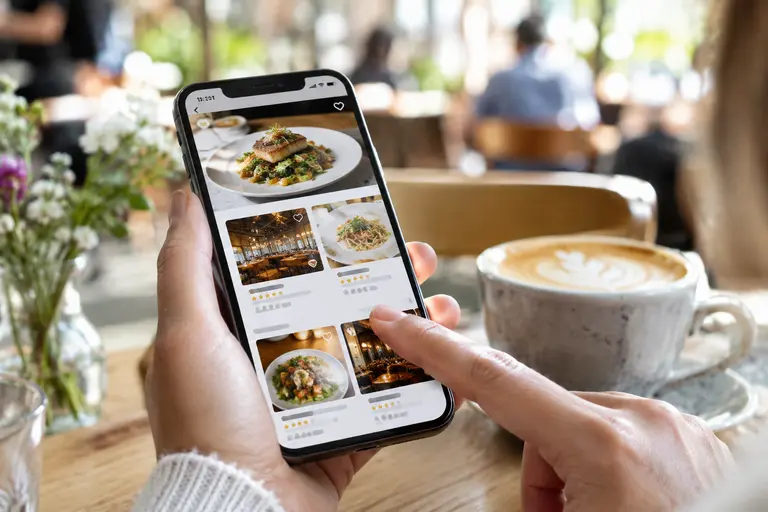
Questions To Ask Before You Reserve
The smartest time to shape a meal is often before the reservation is confirmed. That is true for restaurant dining, private dining rooms, chef’s tables, and home dinners led by a chef. A few direct questions can reveal whether the restaurant or chef service is prepared to handle the kind of evening you want.
- Can the restaurant note seating preferences, dietary restrictions, or celebration details on the reservation?
- Are menu substitutions handled case by case, or are there set options for common dietary needs?
- For groups, is there a shared menu, minimum spend, deposit, or private-room policy?
- Will loyalty perks or credits apply to the kind of booking you are making?
- If you are hiring a chef for a home meal, who handles menu planning, shopping, service, cleanup, and dietary notes?
For those considering a chef-led meal at home, evaluating service scope and guest needs can begin at Personal Chef Mall, a related network resource. On this site, we have also covered personalized dining expectations with a focus on how recognition, menu clarity, and hospitality can work together without making the experience feel cold.
What To Share With The Restaurant
Diners can help the process by sharing specific, useful information. “Quiet table if possible” is clearer than “nice table.” “One guest avoids shellfish” is more useful than “some dietary needs.” “We have 90 minutes before a show” gives the kitchen and service team a real planning cue. The more concrete the request, the easier it is for the restaurant to answer honestly.
It is also fair to ask where the limits are. Not every restaurant can adjust every dish. Not every small dining room can promise a certain table. Not every loyalty credit applies to private events. Clear answers protect the guest and the restaurant from disappointment.
Personalized Dining Experiences And Community Tables
Why The Human Part Still Leads
The strongest personalized dining experiences in 2026 are not the ones with the most technology. They are the ones where the technology stays in service of hospitality. A reservation note, loyalty perk, or preference record should help a host, server, chef, or event planner make a better decision for the guest. The human part still leads.
For diners, the opportunity is to be more intentional before booking. Share the details that matter, ask the questions that prevent confusion, and choose restaurants or chef services that respond clearly. For restaurants and local chefs, the opportunity is to treat personalization as community-building: remember what guests value, respect what they do not want shared, and keep the table feeling like a place where people are welcomed, not sorted into categories.
That is the dining shift worth watching. Personal touches are becoming more expected, but the best meals will still be judged by warmth, timing, flavor, and the feeling that someone cared enough to prepare for the people at the table.