

Personalized dining has moved from a nice extra to a clear guest expectation in 2026, but diners are not asking restaurants to guess every craving or automate every greeting. The strongest signal from the research is more practical: people want restaurants to remember useful details, make ordering easier, and offer suggestions that feel relevant rather than intrusive.
As a chef and critic, I read these numbers through the daily rhythm of service. A guest may appreciate a remembered booth, a server who knows a shellfish allergy was mentioned on a prior visit, or a digital menu that shows clear dietary details before the first question is asked. That is not cold data work; it is hospitality with better memory. The challenge for restaurants is knowing where helpful recognition ends and where over-personalization begins.
Personalized Dining Starts Before The Table
What Personalized Dining Means To Guests
The clearest 2026 research points to convenience first. In a July 2026 Toast survey of 850 U.S. restaurant guests, 25% said they wanted personalized menu suggestions and 16% wanted AI-assisted order customization. Yet faster order taking ranked higher at 39%, and better restaurant discovery or recommendations followed at 34%, according to Toast guest research. That order matters. Diners are not simply asking for novelty; they want tools that save time and reduce friction.
For a neighborhood table, personalized dining can be as simple as suggesting a dish based on what a guest enjoyed last time, flagging a spicy preparation before it surprises them, or making pickup ordering remember a usual add-on. For operators, the lesson is to avoid flashy systems that do not improve the meal. A reminder about a preferred seating area may create more goodwill than a complicated recommendation engine that misses the mark.
The Booking And Ordering Moment
DoorDash’s 2026 Restaurant Industry Trends Report, based on a March 2026 survey and published on May 18, 2026, found that 64% of consumers preferred using one app for delivery, pickup, and reservations. The same report said 22% had used an AI tool such as ChatGPT or Google Gemini to help choose a restaurant, 59% actively looked for allergen and dietary information or welcomed it, and 65% said it mattered if a restaurant remembered dietary restrictions, preferred dishes, or seating choices, according to DoorDash survey data.
That finding should catch the attention of every host stand and takeout counter. Diners are forming expectations long before they see a printed menu. If reservation notes, delivery preferences, and in-room service do not speak to one another, guests feel the gaps. A person who marked a dietary restriction at booking should not have to repeat the same detail three times unless staff are confirming it for accuracy. The expectation is not perfection; it is continuity.
Technology Helps, But Only If It Solves A Real Need
AI Suggestions Are Still Secondary To Speed
The Toast numbers show that AI has a role, but it is not the star of the dining room. Only 16% of surveyed guests wanted AI-assisted order customization, while faster order taking and better restaurant discovery were higher priorities. That suggests restaurants should be careful with how they present AI. Guests may accept it behind the scenes if it helps them find a table, filter options, or place an order faster. They may be less patient if it feels like a gimmick standing between them and service.
Personalized dining works best when the technology is almost invisible. A useful ordering system might remember that a guest usually removes onions or prefers a nonalcoholic pairing. A less useful one might interrupt the experience with too many prompts. Diners can sense the difference between assistance and upselling. For chefs, the better use of data is to support the kitchen and service team, not to flatten the guest into a purchase profile.
Digital Menus Must Be Clear
Research included in the 2026 notes also pointed to digital and QR menus, with satisfaction tied to information quality, usability, interactivity, and perceived hygiene. The practical reading is plain: if a digital menu is hard to read, slow to load, or vague about ingredients, it fails the hospitality test. Diners do not care that a menu is digital if they cannot answer basic questions quickly.
Menus should make the first decision easier. That means clear dish descriptions, direct allergen and dietary cues where the restaurant can verify them, and accurate availability. Restaurants should avoid claiming certainty on ingredients or substitutions unless staff and kitchen systems support it. A beautifully designed interface cannot cover for unclear kitchen communication.
- Before booking: diners may expect clear reservation options, seating notes, and useful search filters.
- During ordering: they may expect dietary information, remembered preferences, and quick customization.
- After the meal: they may expect offers or reminders linked to what they actually enjoyed.
Where Personalized Dining Needs A Human Touch
Recognition Should Feel Welcoming, Not Scripted
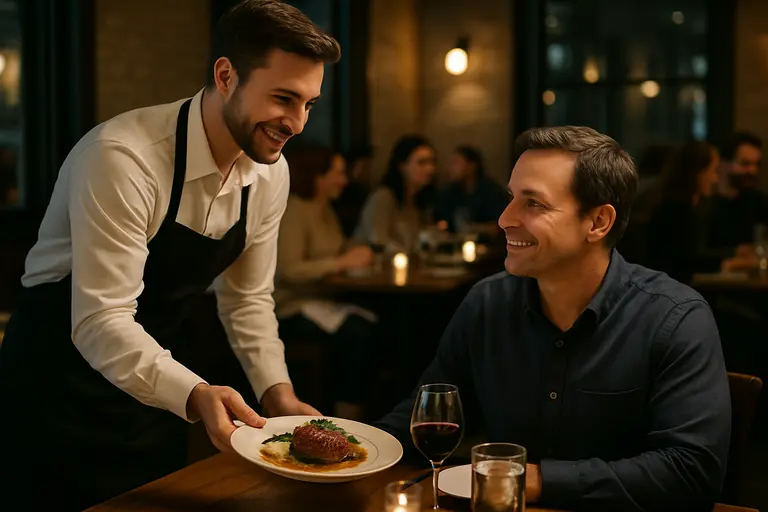
Restaurants have always practiced a form of personalization. The regular’s drink, the corner table, the remembered birthday dessert, and the quiet note about a food preference all predate modern restaurant technology. The difference in 2026 is that more of those details can be captured across booking, ordering, loyalty, and delivery channels.
The risk is tone. A server saying, “Welcome back; would you like the same table if it is available?” feels warm. A system pushing a guest toward last month’s order without context can feel flat. Personalized dining depends on judgment. Staff need enough information to serve well, and enough discretion to avoid making guests feel watched.
Generational Habits Are Not One-Size-Fits-All
The research notes point to different expectations by age and dining style. Younger diners showed strong interest in build-your-own formats and customization, while older diners placed value on being recognized by name and preferred seating. Restaurants should treat those patterns as guidance, not rigid rules. Plenty of older guests enjoy customization, and plenty of younger diners want a simple, human welcome.
This is where local restaurants can stand apart from larger platforms. A neighborhood dining room can read the table in real time. If a guest wants advice, staff can offer it. If a solo diner wants quiet, staff can respect that. For readers tracking how individual dining habits are shaping restaurants, our related piece on solo dining trends connects well with this same shift toward more personal restaurant use.
For those interested in a network perspective on restaurant culture, Hudson Street Cafe serves as a complementary source highlighting dining habits and service styles.
Personalized Dining Expectations In 2026
The practical takeaway for diners is to ask better questions before booking. Does the restaurant let you note dietary needs? Are menus clear enough to review before arrival? Does the booking platform allow seating preferences without promising what the restaurant cannot control? These details can prevent disappointment, especially for group meals where one guest’s restriction or preference shapes the table.
For restaurant teams, the better path is disciplined and modest. Start with details that matter: dietary restrictions, preferred seating when possible, favorite dishes, past ordering patterns, and clear communication between host, server, and kitchen. Avoid pretending every guest wants the same kind of attention. Some want a remembered name; others want speed and privacy.
Personalized dining in 2026 is not about replacing hospitality with software. It is about using accurate guest information to make the meal feel easier, safer to order, and more gracious. The restaurants that handle it well will not need to announce how advanced they are. Guests will feel it in the timing of service, the relevance of suggestions, the clarity of the menu, and the small relief of not having to explain the same preference again and again.