

Montclair did not become a restaurant town by accident. Places like this rarely do. A real dining destination is usually built the slow way, through foot traffic, culture, ambition, and a public that keeps rewarding originality. That is what happened here. Over time, Montclair stopped being just a handsome commuter suburb with a few dependable places to eat and became something more competitive, more expressive, and more fun: a town where restaurants are part of the local identity.
That shift is visible now in the sheer density and variety of the dining scene. Montclair’s official tourism and downtown organizations present the town as a dining destination, with Montclair Center calling itself a major arts district with world-class dining, while Experience Montclair highlights more than 100 outdoor dining spots alone. NJ Monthly’s 2026 roundup of the best restaurants in Montclair also points to the striking range of options now available across the township.
What matters more than the numbers, though, is the culture behind them. Montclair has developed the kind of restaurant ecosystem that supports both neighborhood staples and serious culinary ambition. It has room for wine bars, sushi counters, brasseries, cafés, cocktail programs, and chef-driven kitchens that would feel perfectly at home in a larger city. That mix is why people increasingly do not just eat in Montclair because they live nearby. They go out in Montclair because they expect something memorable.
A Downtown Built for Dining
Every restaurant town needs geography on its side. Montclair has that advantage. The downtown is walkable, layered, and active enough to support the rhythm restaurants need. A place becomes a dining town when dinner can lead naturally into drinks, dessert, a show, or a slow walk past lit storefronts. Montclair’s center delivers exactly that kind of flow.
The town’s civic and downtown materials repeatedly frame Montclair Center as both an arts district and a commercial core, which helps explain why restaurants have become so central to the local economy and social life. Dining is not isolated here. It sits alongside theaters, boutiques, cultural venues, and public events, giving restaurants a built-in audience beyond routine weeknight traffic.
That matters because great restaurant neighborhoods are rarely just about food. They are about momentum. When people already have reasons to be out, restaurants become stronger. When restaurants become stronger, they draw even more people out. Montclair has been feeding that cycle for years.
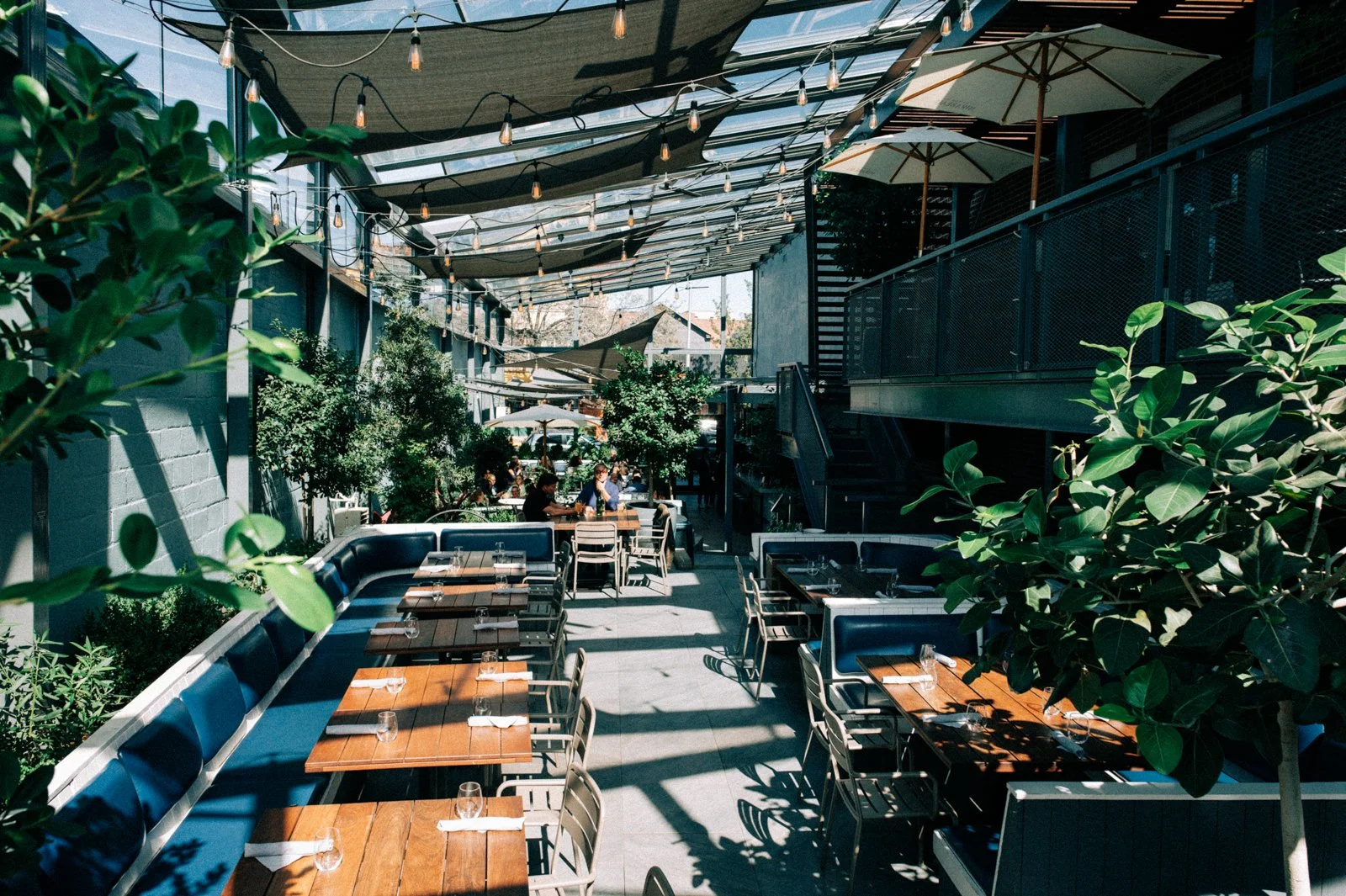
Culture Came Before Trendiness
It would be easy to describe Montclair’s rise as a simple case of suburban dining catching up to city expectations, but that leaves out something essential. Montclair already had the cultural instincts. This is a town with longstanding artistic credibility, a visible civic identity, and residents who tend to value experience. Restaurants do well in places where people care how a room feels, how a plate lands, and what a night out says about the town they live in.
That is one reason Montclair’s dining scene feels more mature than performative. It does not read like a market chasing social media aesthetics. It feels like a place where restaurants are expected to have character. Some lean polished. Some lean neighborhood casual. Some are driven by wine, some by craft, some by chef reputation. But the common thread is that they are part of a town that already understood the value of atmosphere and point of view.
A restaurant town also needs diners who reward quality over time. Montclair has that too. The scene has evolved because local loyalty and regional attention have reinforced each other. Once that happens, restaurants stop operating as stand-alone businesses and start acting like part of a larger dining conversation.
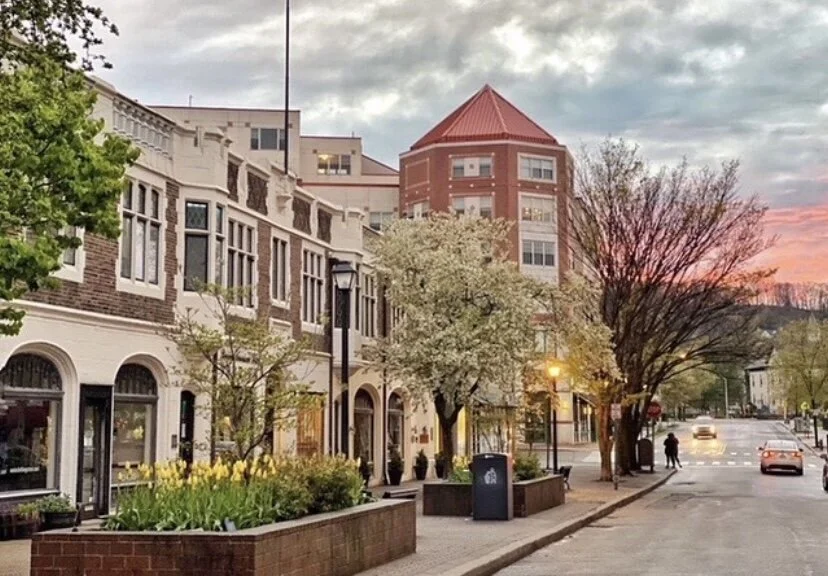
The Range Is the Real Story
The clearest sign that Montclair became a restaurant town is not that it has a few excellent places. Plenty of towns have that. The real sign is range.
NJ Monthly’s current best-restaurants coverage underscores how broad Montclair’s offerings have become, from refined dining rooms to more casual neighborhood concepts. Experience Montclair presents dining as one of the town’s defining attractions, not an afterthought. That kind of public-facing identity only happens when the restaurant scene has crossed from useful to meaningful.
Range changes the way a town eats. It means diners can be selective. It means chefs can be distinct. It means one restaurant does not need to be everything to everyone. Instead, each place can sharpen its own perspective. A brasserie can lean into its buzz and polish. A pub can deepen its food program. A sushi counter can become a destination within a destination.
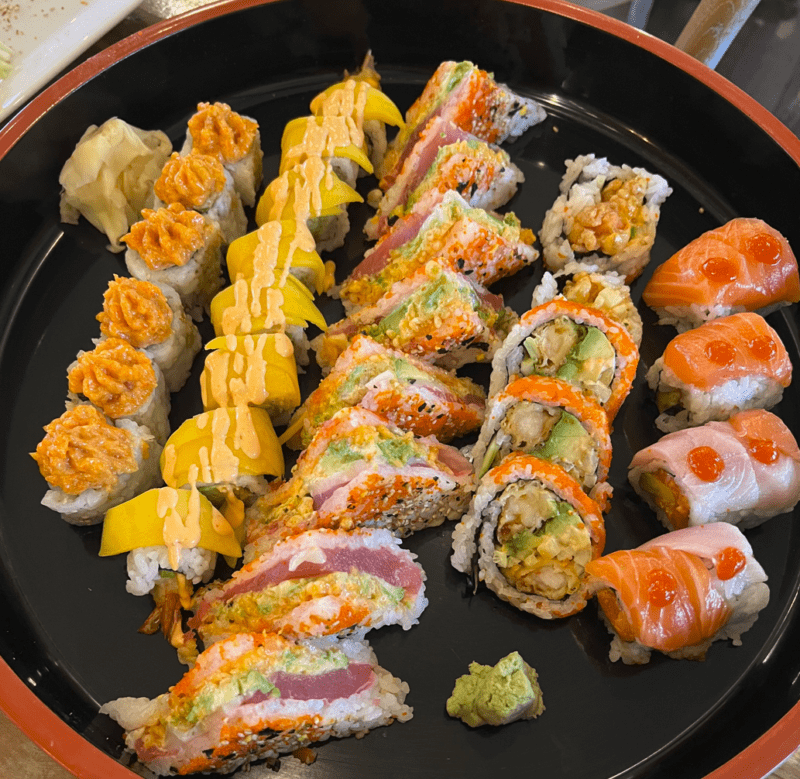
That last point matters in Montclair because some of the town’s most interesting recent momentum has come from restaurants that understand how to evolve without losing identity. The best example may be the kind of development seen in Montclair’s growing appetite for hybrid and chef-led experiences, where a familiar local setting can suddenly become more dynamic because the talent inside it has changed. That is part of what made the return of a respected sushi chef such a meaningful local story in our earlier look at the Montclair sushi scene. A restaurant town notices when culinary talent moves. More importantly, it cares.
Commuters Helped, but They Are Not the Whole Explanation
Montclair’s proximity to New York has always shaped its identity, and it has certainly helped shape its dining expectations. A town with commuters tends to develop sharper standards for convenience, service, and quality. People who spend time in or around the city do not want a flat suburban restaurant experience at home. They want restaurants that can hold their own.
But that alone does not create a real food town. Plenty of commuter suburbs remain culinarily forgettable. Montclair turned the advantage into something lasting because it paired access with taste. It built a downtown that encourages lingering. It cultivated a social identity tied to arts and culture. And it supported restaurants that offered distinct experiences rather than generic category fillers.
The result is a scene that feels less like overflow from Manhattan and more like Montclair expressing its own personality. The town may benefit from regional traffic and commuter habits, but its best restaurants do not feel like imitations of somewhere else. They feel rooted.
Why Restaurants Keep Winning Here
Montclair continues to attract strong dining concepts because the town gives them what ambitious restaurants need: a built-in audience, a visible downtown, and customers who are willing to try something with a point of view. That is a powerful combination. Restaurants thrive when they feel seen, and in Montclair, dining is part of how people experience the town itself.
There is also a competitive upside to the local scene. Once a place becomes known for restaurants, every new opening enters a more serious environment. That can be difficult, but it is also healthy. It raises expectations. It forces sharper execution. It rewards originality over complacency. Over time, that pressure makes the overall scene better.
From the outside, Montclair can look like a success story about quantity. In reality, it is a success story about standards. The town became a restaurant town because enough operators, chefs, and diners agreed that eating out should feel like more than a transaction.
Final Thoughts
Montclair became a restaurant town through the accumulation of the right conditions at the right scale. Walkability helped. Culture helped. Regional access helped. But what really changed the town was a growing belief that restaurants should be part of civic life, not just commercial life.
That belief is visible now in the energy of the downtown, the ambition of the kitchens, and the way local dining has become one of Montclair’s defining attractions. For diners, that means more choice and better nights out. For restaurants, it means the bar stays high. And for the town itself, it means something more lasting than trendiness: a food culture with real staying power.
For a broader look at how Montclair promotes its dining district today, the township’s official dining guide is a useful snapshot of just how central restaurants have become to the town’s public identity.