
Released on September 17, 2026, the FDA 2026 Food Code gave restaurants, regulators, caterers, school kitchens, health-care dining teams, and other retail food operations a new model for food safety rules. The Food Code is not federal law by itself; it is designed for adoption by local, state, tribal, and territorial agencies. The FDA said the model is used by agencies regulating more than one million restaurants, retail food stores, vending operations, schools, hospitals, nursing homes, and childcare centers, according to the FDA release.
For Montclair diners, the practical question is simple: what might change before a reservation, a catered family gathering, a school event, or a casual weeknight meal out? Many changes will be more visible to owners, managers, chefs, inspectors, and food handlers than to guests. Still, diners may notice sharper questions about allergies, cleaner documentation around illness procedures, and more precise inspection language as agencies decide whether and how to adopt the model.
FDA 2026 Food Code Basics For Diners
Why FDA 2026 Food Code Adoption Matters
The FDA 2026 Food Code matters because it creates a shared food safety reference point for many places where people buy prepared food. A diner may not read a plan review file or watch a cooling log being filled out, but the model can shape the systems behind the meal. In a community like Montclair, where residents move between restaurants, coffee shops, catered office lunches, farmers market bites, school programs, and takeout counters, consistent expectations can help make inspections and operator training clearer.
The Code’s model status is also worth keeping in mind. A restaurant does not automatically operate under every new provision the moment the FDA releases the document. Local and state agencies decide how to adopt or adapt Food Code language. That means diners should avoid assuming that every change is already enforceable in New Jersey or in any specific town. The release date is firm; the local adoption timeline may differ.
What Has Already Happened
The FDA released the 2026 edition on September 17, 2026, so the document now exists as the current national model. The changes discussed here were not guesses or trend predictions. They came from the release and related change notes summarized by the FDA. What has not been established in the provided research is a Montclair-specific or New Jersey-specific adoption date. For now, the most accurate way to frame these changes is as model-code updates that local and state regulators may use in future rules, inspection forms, plan review standards, and operator education.
Changes Diners May Notice
Written Employee Illness Policies
One of the clearest updates is a requirement for food service establishments to have written employee illness policies that are maintained and available for inspection. For diners, this is not about prying into staff health details. It is about whether a food establishment has a written system for handling illness issues before they become a risk in the kitchen, behind the bar, at a prep table, or on a service line.
This kind of requirement may be most visible during inspections, manager training, or plan review, rather than during dinner. Still, guests can reasonably value restaurants that take written procedures seriously. If a diner is planning a private event, large reservation, or catered meal for people with higher risk concerns, it is fair to ask whether the operator follows current local health department requirements and keeps staff policies documented.
Gloves, Allergens, And Cooling
The Code includes a clause allowing double gloving, meaning a single-use glove worn over another glove, in certain food preparation circumstances. It also includes clarifications around single-use glove requirements and allergen cross-contact. These details may sound technical, but they connect to everyday dining moments: a sandwich station changing tasks, a sushi counter handling different ingredients, or a kitchen responding to an allergy request.
The FDA 2026 Food Code also introduces an alternative cooling process for foods at retail, giving regulators flexibility to approve different cooling methods under specific conditions. Diners usually will not see cooling procedures unless they are watching an open kitchen, but cooling is one of the behind-the-scenes steps that matters in soups, sauces, cooked grains, braised meats, and prepared foods held for later service. The research summary did not provide local examples of approved alternative processes, so it would be inaccurate to name any Montclair restaurant as using one.
Allergen cross-contact language may matter most during ordering. Diners with allergies should still speak directly with the restaurant before booking or ordering and should be clear about the severity and specifics of their needs. The Code’s clarifications can support better internal systems, but they do not replace a direct conversation between the guest and the establishment.
What To Ask Before Booking Or Ordering
Restaurants, Caterers, And Private Meals
Good questions do not need to sound confrontational. They can be part of a friendly, practical planning conversation. That is true whether someone is booking a dinner table, arranging passed appetizers for a community gathering, or weighing a chef-prepared meal at home. For those in search of personalized dining options, this related resource on personal chefs provides valuable considerations for operational queries during planning.
Here are a few diner-friendly questions that fit the spirit of the new model without asking a restaurant to share private records:
- For allergy needs: “How should I share allergy information before the meal, and who confirms it with the kitchen?”
- For catered events: “Do you follow the local health department requirements for transport, holding, cooling, and service?”
- For private chef meals: “How do you document ingredient lists, allergen concerns, and food handling steps for the event?”
- For group reservations: “Is there one person we should contact about dietary needs before arrival?”
These questions are practical for hosts, parents, office managers, and anyone planning a shared meal. They also pair well with the broader shift toward clearer menu information and better guest communication, a topic we have covered in our piece on personalized dining expectations.
Inspection Language And Food Safety Systems
The 2026 model adds a Food Safety Management System requirement, including requirements during plan review. It also revises the inspection report form. In the revised form, “Clean-up of Vomiting and Diarrheal Events” becomes “Illness Documentation,” and “Gloves properly used” becomes “Slash-resistant and cloth gloves, properly used.” Some items also receive additional N/A markings.
Those wording changes may seem small, but they can affect how inspectors, operators, and managers talk about compliance. Clear labels can help separate a glove-use issue from a slash-resistant glove issue, or an illness documentation issue from a narrow clean-up procedure. Diners should not need to memorize inspection categories, but knowing that these categories are being refined can make public inspection discussions easier to understand when local agencies update their materials.
Processing, Packaging, And Mobile Food Operations
Definitions With Everyday Effects
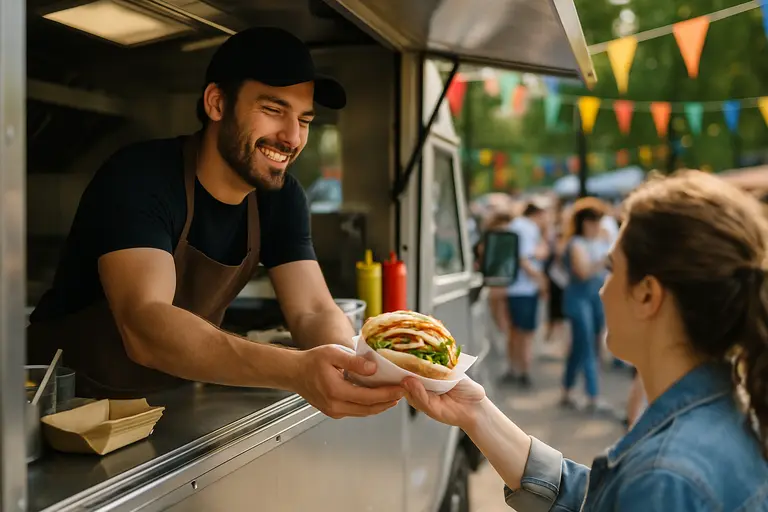
The updated definitions include “Mobile food establishment,” covering establishments that change location as part of regular operation. The Code also clarifies that a commissary is a type of food establishment. These definitions matter for food trucks, pop-up-style operations, and businesses that prepare or support service from another approved location. The provided research did not identify specific Montclair operators affected by these definitions, so the safest takeaway is general: clearer definitions can help regulators and businesses use the same language.
The model also updates areas tied to reduced oxygen packaging, dehydration, freeze-drying, and acidification, including acidified sushi rice. These are specialized food preparation methods. For diners, the impact may be indirect. A restaurant using these processes may need to follow specific controls, critical limits, or approved procedures depending on the adopted local rules. Guests do not need to become process experts, but they can ask straightforward questions if they are booking an event involving sushi, packaged prepared foods, or foods made ahead for later service.
Sanitizers, Disinfectants, And Toxic Materials
The research summary also notes updated regulatory definitions for sanitizers, disinfectants, and testing devices. “Disinfectants” are firmly included under “Poisonous or Toxic Materials.” For guests, this is another behind-the-scenes area. It points to clearer handling and labeling expectations for chemicals used in food establishments, not to a change in how diners should clean at home or choose menu items.
The FDA 2026 Food Code also strengthens alignment with other standards, including updated references to the National Fire Protection Association’s NFPA 101 Life Safety Code. That does not mean guests should expect a new dining-room experience overnight. It means the model text was updated to connect with current reference standards used in food establishment regulation.
Montclair Diners And The FDA 2026 Food Code
The most useful approach for Montclair diners is balanced curiosity. The FDA 2026 Food Code was released on September 17, 2026, and it may shape how health agencies update rules for restaurants, retail food stores, schools, hospitals, nursing homes, childcare centers, vending operations, mobile food establishments, caterers, and other food businesses. Yet adoption is not automatic everywhere at once, and the provided research does not confirm a local enforcement date.
What diners can do now is simple: share allergy needs early, ask practical questions before booking group meals, respect that some food safety work happens out of sight, and look for clear communication from food businesses. The most encouraging part is that many of these updates focus on written systems, clearer definitions, and better inspection language. Those may not be flashy dinner-table topics, but they support the kind of dependable hospitality that helps a food-loving community eat with more confidence.