
Some restaurants build their identity around spectacle. De Novo European Pub works differently. In Upper Montclair, its appeal starts with something steadier: a menu that feels approachable at first glance but reveals more range and intention the longer you sit with it. The restaurant describes itself as a European-styled pub, and that framing matters because it explains why the food moves so comfortably between casual and polished. The core offering spans house-made breads, small plates, charcuterie, flatbreads, salads, burgers, house-made pastas, entrées, and late-night bar bites rather than locking itself into a narrower single-lane concept.
That breadth is one reason De Novo has remained such a visible part of the Upper Montclair dining conversation. The Montclair location at 275 Bellevue Avenue places it directly inside one of the town’s most active restaurant corridors, and the official site positions the space as a full-service destination with reservations, menus, and a dedicated Montclair identity rather than a generic neighborhood outpost. On a local editorial level, De Novo has also been framed as a long-running stronghold of Upper Montclair comfort food, associated with dishes like short rib agnolotti and crispy octopus.
A Menu Built On Range Rather Than Excess
The smartest thing about the De Novo menu is that its variety does not read as confusion. Plenty of restaurants try to be everything at once and end up with a lineup that feels scattered. De Novo’s categories suggest a different strategy. The menu architecture is built to support different kinds of visits: a lighter stop for cocktails and shared plates, a fuller dinner centered on pasta or entrées, or a more social table shaped by charcuterie, flatbreads, and multiple rounds. That kind of flexibility is often what separates a durable neighborhood restaurant from a place that only works for one occasion.
That is also where the balance between comfort and refinement becomes most visible. Comfort appears in the very idea of a European pub menu filled with recognizable categories and crowd-friendly formats. Refinement appears in the emphasis on house-made elements, especially the breads and pastas, which signal a level of kitchen ambition beyond standard pub fare. Even before getting into individual dishes, the menu tells diners that De Novo is trying to offer familiarity with more craft and more polish than the label “pub” might initially suggest.
House-Made Pasta Gives The Menu Its Strongest Identity
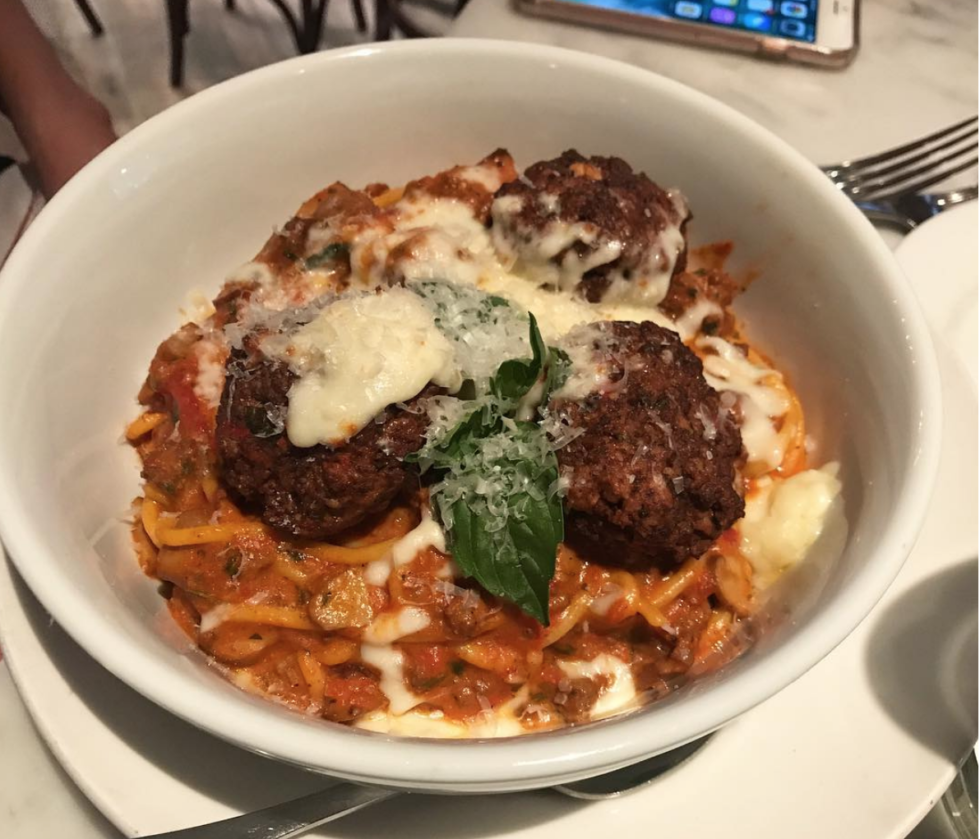
If there is one category that most clearly carries the restaurant’s refined side, it is pasta. De Novo explicitly highlights house-made pastas in its overall concept, and that choice matters because handmade pasta tends to function as a marker of labor, technique, and consistency in modern restaurant culture. The broader Michelin conversation around Italian dining regularly treats pasta craftsmanship as one of the clearest signs of culinary seriousness, especially when texture, ingredient handling, and restraint all align.
For De Novo, pasta does more than fill out the menu. It helps anchor the restaurant between two dining identities. On one side, pasta is deeply comforting, one of the most familiar and repeat-orderable categories a neighborhood restaurant can offer. On the other, handmade pasta immediately raises expectations around execution. That is why the category works so well here. It allows De Novo to feel generous and accessible while still signaling care. The site’s own editorial ecosystem reinforces that idea through pieces like De Novo’s pasta tasting menu, which positions pasta not as a side note but as part of the restaurant’s larger culinary identity.
Small Plates, Charcuterie, And Flatbreads Keep The Restaurant Social
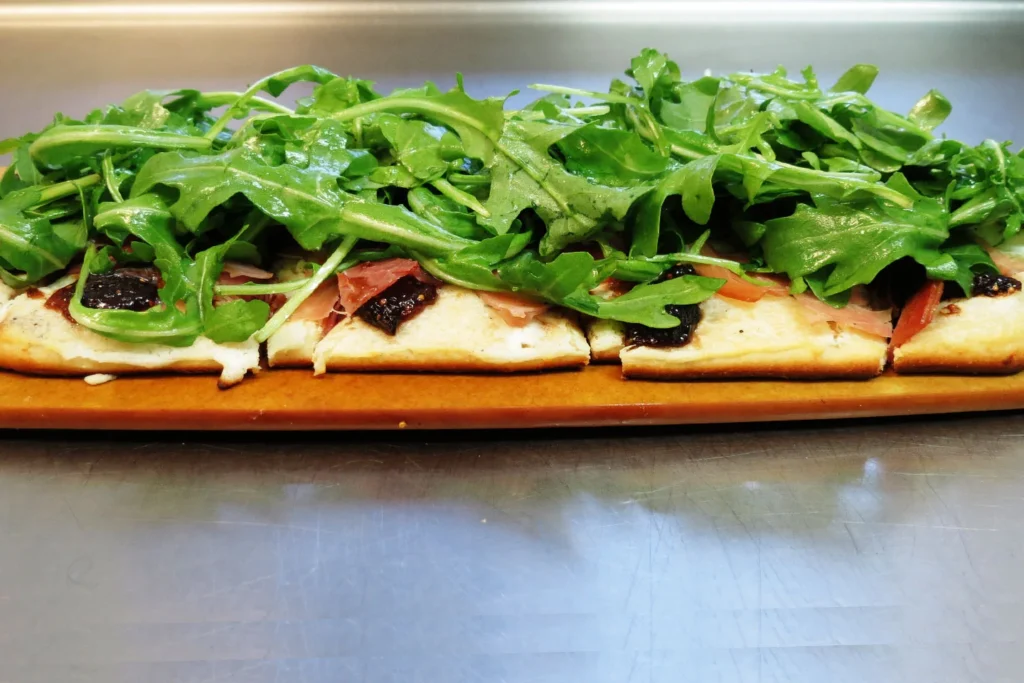
The comfort-refinement balance is not only about pasta. It also shows up in the restaurant’s small-plate logic. A menu that includes small plates, charcuterie, and flatbreads encourages a style of dining built around sharing, pacing, and conversation. That matters because De Novo is not presented as a rigid formal restaurant. It is presented as a place styled after family-oriented casual pubs of Europe, which makes communal eating part of the concept rather than an optional extra.
This is where the menu becomes especially effective in review terms. Small plates and charcuterie give diners an easy on-ramp, while flatbreads and burgers preserve the casual side of the restaurant. But because those categories exist beside house-made pasta and more substantial entrées, the overall experience avoids feeling one-dimensional. The menu can support a quick drink-and-bite visit or a longer dinner without forcing the restaurant to choose between approachability and ambition.
The Sushi Presence Expands The Menu Without Breaking The Concept
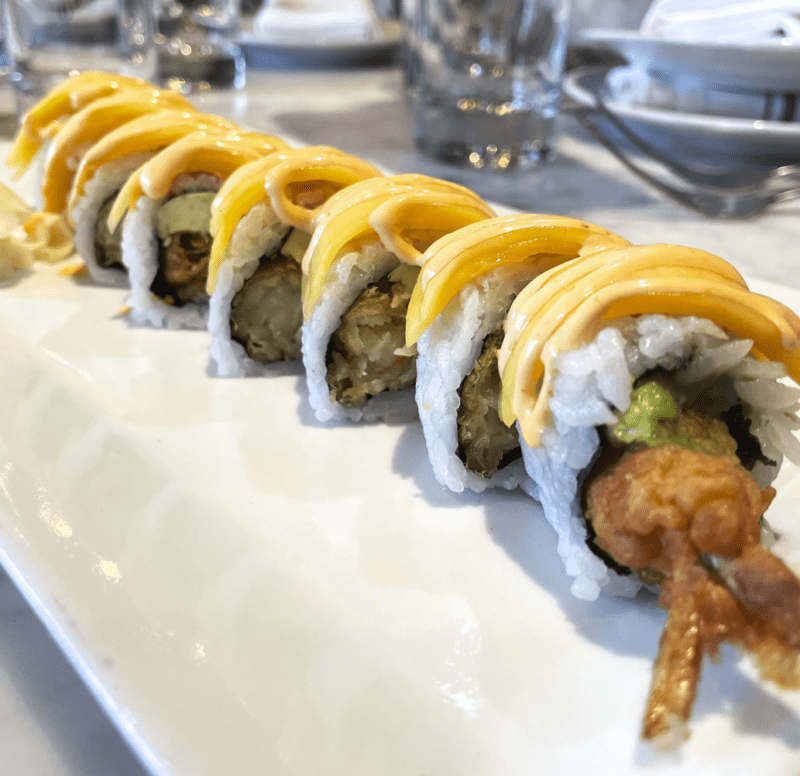
One of the more unusual aspects of the Montclair operation is the clear presence of a dining-in sushi menu and a takeout sushi menu alongside the more European categories. On paper, that sounds like the kind of move that could split a restaurant’s identity. In practice, it works because De Novo is already structured around range. The restaurant is not selling minimalism. It is selling choice inside a polished, social setting.
That broader range also helps explain why recent local coverage described De Novo as more than simply a European pub with a sushi bar. The return of chef Kenny Mar was framed as part of what made the restaurant one of Montclair’s more interesting and ambitious dining rooms, suggesting that the menu’s diversity is being read locally as an asset rather than a distraction.
Why The Restaurant Feels Refined Without Becoming Formal
Refinement at De Novo does not come from stiffness. It comes from editing. The restaurant keeps recognizable categories in play, but the language around the brand and menu consistently points toward care in execution rather than novelty for novelty’s sake. That distinction is important. According to Michelin’s broader framework for evaluating strong dishes, great cooking begins with ingredient quality and the ability to build flavor with discipline rather than excess. De Novo’s menu structure, with its house-made components and layered categories, fits that more grounded definition of refinement.
That is also why the restaurant works so well in Upper Montclair. A neighborhood dining room here needs to feel welcoming enough for repeat visits but polished enough to stand out in a competitive local market. De Novo’s menu answers that challenge by refusing to choose between comfort and ambition. It gives diners recognizable entry points, then elevates the experience through craftsmanship, menu depth, and a setting that feels more composed than casual labels alone would suggest. For a nearby example of how this site covers restaurants with similarly strong personalities, Brick Lane in Upper Montclair offers a useful internal contrast.
Final Review
De Novo European Pub succeeds because the menu understands what many restaurants miss: comfort and refinement do not have to compete. They can reinforce each other. House-made pastas bring craft. Small plates and charcuterie bring sociability. Burgers, flatbreads, and late-night bites keep the restaurant grounded. Even the sushi offering broadens the visit without pulling the concept apart. The result is a menu that feels flexible, satisfying, and more carefully built than the word “pub” usually implies.
For diners, that means De Novo can serve multiple roles at once: weeknight standby, date-night option, group dinner spot, or long, drink-friendly meal in the heart of Upper Montclair. That versatility is exactly why the restaurant continues to matter locally. In a dining landscape where many menus lean too hard toward trend or familiarity, De Novo’s real strength is balance. For a broader outside perspective on how ingredient quality and technique define memorable restaurant cooking, the Michelin Guide’s take on what makes a great dish is a fitting reference point.