

Every restaurant town develops its own version of comfort food. In Montclair, comfort does not always mean burgers or pasta. Sometimes it means a bowl of curry that arrives fragrant, colorful, and unapologetically bold. That is where Brick Lane in Upper Montclair fits into the conversation. It is the kind of restaurant that quietly anchors a neighborhood dining scene, offering flavors that are vibrant, complex, and deeply rooted in tradition while still feeling entirely at home in North Jersey.
Located at 540 Valley Road in the Upper Montclair business district, Brick Lane sits inside one of the township’s most active dining corridors. Upper Montclair itself is the town’s second-largest commercial zone, centered around Valley Road and Bellevue Avenue, an area known for its concentration of restaurants, cafés, and small businesses.
The result is a restaurant that feels integrated into the rhythm of the neighborhood rather than dropped into it. Brick Lane works because the district already understands how to support a serious dining culture.
A Taste of London’s Curry Houses
The name Brick Lane is not accidental. It references the famous Brick Lane district in London, where curry houses became a defining part of the city’s culinary identity. The Montclair restaurant draws inspiration from that tradition while also incorporating the character of Mumbai’s Irani café culture, creating a setting that blends British-Indian influence with regional Indian cooking.
That lineage matters because it explains the tone of the restaurant. This is not a place trying to simplify Indian food for suburban diners. Instead, the kitchen leans into bold flavors, layered spices, and dishes that feel faithful to their origins. The menu moves easily from aromatic classics to fiery specialties, including the notoriously intense Phaal curry, often described as one of the hottest curries in the world.
The overall impression is one of confidence. Brick Lane cooks as though it assumes diners are ready for flavor rather than asking permission to deliver it.
The Menu Is Built for Exploration
Indian restaurants often invite a different style of ordering than European kitchens. Instead of a single plate built around a protein and a side, the meal expands outward. Small starters, shared curries, breads, rice, and sauces all form part of the experience. Brick Lane embraces that approach fully.
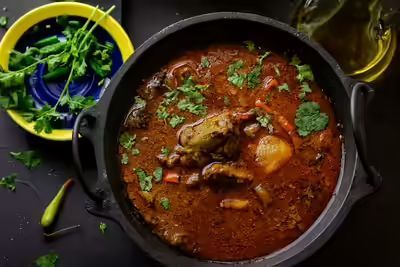
The menu moves through a wide range of regional influences, from creamy northern gravies to coastal coconut curries and spicier South Asian preparations. Among the popular dishes are butter chicken, saag paneer, railway mutton curry, and lamb rogan josh, alongside vegetable dishes like aloo gobi and chana masala.
Below is a simple overview of the types of dishes diners typically encounter.
| Category | Examples | Style |
|---|---|---|
| Appetizers | Samosa chaat, onion bhaji, lassuni gobi | Crispy, tangy starters |
| Classic Curries | Tikka masala, korma, saag | Creamy and aromatic |
| Regional Specialties | Railway mutton curry, vindaloo | Bolder, spiced preparations |
| Rice & Breads | Biryani, naan, chapati | Essential accompaniments |
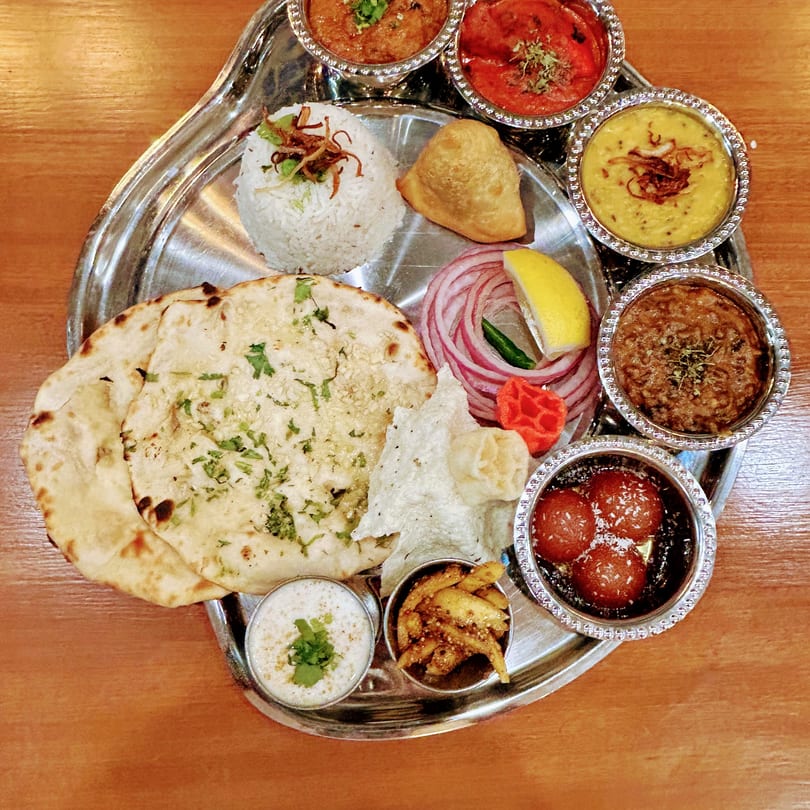
This format encourages diners to explore rather than order narrowly. A table might combine a tomato-cream curry with a spinach dish, a bright chutney, and fresh naan. The goal is not uniformity but contrast.
The Room Feels Casual but Intentional
Brick Lane does not rely on dramatic design gestures. Instead, the dining room leans toward a relaxed café atmosphere inspired by vintage Bombay settings.
That choice suits Upper Montclair well. The neighborhood rewards restaurants that feel welcoming without losing personality. Brick Lane manages that balance through warm lighting, colorful dishes, and a service style that allows the food to remain the focus.
The restaurant is also known for staying open later than many nearby dining rooms, keeping its doors open until around 11 p.m. most evenings, which adds a useful late-night option in the area.
It is the kind of place that works equally well for a quick weekday dinner or a longer meal shared with friends.
Why Brick Lane Works in Upper Montclair
A restaurant like Brick Lane succeeds partly because Montclair has evolved into the kind of town where diners are curious about global cuisine. The local restaurant scene has grown steadily more diverse, and neighborhoods like Upper Montclair now support everything from European pubs to sushi counters and regional Asian kitchens.
Indian cuisine fits naturally into that ecosystem. It provides depth, warmth, and spice—qualities that complement the broader dining landscape rather than competing with it.
Brick Lane’s menu reinforces that role. A diner might arrive expecting familiar favorites but leave remembering a dish like railway mutton curry or a weekend thali platter that introduces several flavors at once. That sense of discovery is exactly what helps restaurants endure in towns where diners have many choices.
For readers who want a broader look at how Montclair developed such a dynamic dining environment, our earlier piece on the Montclair restaurant town explores how the local scene evolved.
A Restaurant With Staying Power
Brick Lane Upper Montclair NJ is not trying to reinvent Indian cooking. It is doing something arguably harder: presenting it with conviction. The menu trusts its spices. The kitchen trusts its recipes. And the dining room trusts that Montclair diners are willing to meet those flavors halfway.
In a restaurant district filled with ambitious concepts, that kind of clarity stands out. Brick Lane does not rely on gimmicks or reinvention to keep its audience. It relies on the simple idea that well-executed regional cuisine will always find an audience.
For diners interested in learning more about the traditions behind dishes like vindaloo, rogan josh, and other regional Indian specialties, the culinary history resources at the BBC Food guide to Indian cuisine offer a useful introduction to the regional diversity that defines the cuisine.
In the end, Brick Lane’s success in Upper Montclair comes down to something simple: the restaurant delivers food with character. In a town that values strong dining experiences, that is often the most reliable recipe for longevity.