

The dessert course is arguably the most frequently fumbled element of the modern restaurant experience. Far too often, a kitchen will execute a brilliant, highly disciplined savory menu, only to surrender its standards the moment the dinner plates are cleared. Many establishments rely on outsourced cakes or cloying, sugar-heavy compositions that completely paralyze the palate. However, finding a truly exceptional final course requires seeking out a kitchen that treats pastry with the same rigorous architectural intent as its braised meats.
When exploring the De Novo dessert menu, it becomes immediately clear that the final course is not treated as an optional afterthought or a mere vehicle for excess sugar. It is engineered to serve a specific structural purpose. The final bite of a meal is the lingering memory a diner takes with them out the door, and this kitchen ensures that memory is defined by balance, restraint, and classical technique.
When operating within the framework of European pub fare, the transition from savory to sweet must be handled with extreme care. The goal is to provide closure to the dining experience without inducing immediate lethargy, requiring a sophisticated command of acidity, temperature, and texture.
The Mechanics of Palate Restoration
By the time a table is ready to order dessert, the diners have typically consumed significant amounts of animal fat, dairy, and complex carbohydrates. If they have just finished a heavy, umami-driven plate from the De Novo menu highlights, their palates are fundamentally exhausted. A successful dessert must act as a restorative mechanism.
This restoration requires sharp tension. If a pastry chef relies solely on sugar, the dessert becomes heavy and monolithic. The palate demands the introduction of contrasting elements: the sharp, acidic bite of seasonal fruit, the subtle bitterness of dark chocolate, or the grounding salinity of sea salt. For a definitive look at the chemical necessity of these contrasting elements, this Serious Eats breakdown of flavor balancing in pastry perfectly illustrates why salt and bitter notes are mandatory tools for mitigating excessive sweetness.
De Novo’s kitchen understands that sugar is merely a foundation, not the entire building. By incorporating acidic fruit reductions and utilizing fats like mascarpone and olive oil—which offer a cleaner, less coating mouthfeel than standard buttercream—they construct desserts that wake the palate back up.
Elevating the European Classics
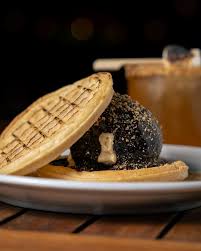
A restaurant positioning itself as a European pub must honor the foundational desserts of the continent without allowing them to feel dated. The Tiramisu is a prime example of this tightrope walk. In lesser hands, it devolves into a soggy, overly sweetened sponge. At De Novo, the dish is an exercise in structural integrity and precise hydration.
The ladyfingers are soaked just long enough to absorb the bitter tension of the espresso, retaining enough of their crumb to provide a necessary textural contrast against the whipped mascarpone. The dusting of high-quality cocoa powder provides a dry, bitter finish that hits the tongue first, preventing the dairy from overwhelming the bite. It is a composed, highly disciplined plate that respects its Italian origins.
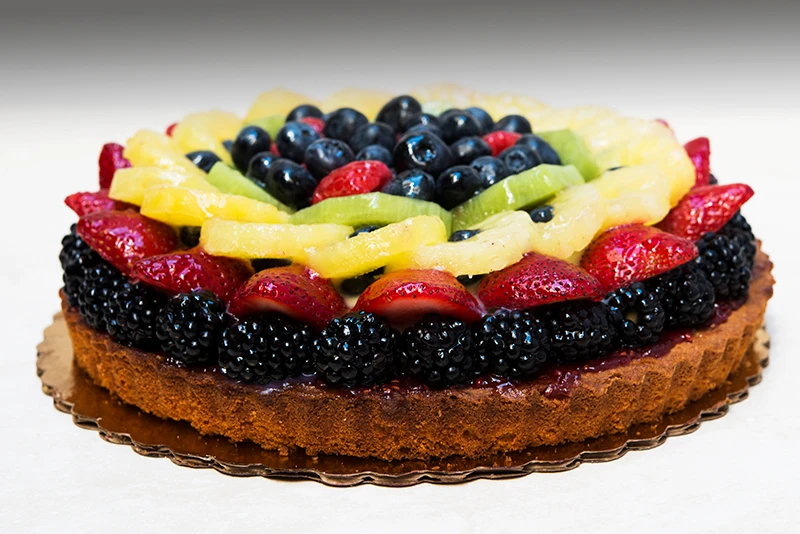
Similarly, their approach to fruit-based tarts and cakes relies heavily on the quality of the bake. A well-executed crust provides a rigid architectural base, delivering a buttery, shattering crunch that is absolutely essential when dealing with soft curds or fruit compotes.
| The Dessert Profile | The Structural Challenge | The De Novo Execution |
| The Espresso Tiramisu | Preventing the ladyfingers from disintegrating into a wet, homogenous texture. | Precise, rapid espresso hydration balanced by a highly aerated, stabilized mascarpone. |
| The Olive Oil Cake | Avoiding the dense, greasy crumb that occurs when heavy fats are improperly emulsified. | Utilizing high-quality, peppery olive oil to create a light, porous, and intensely moist sponge. |
| The Fruit Tart | Stopping the fruit’s natural moisture from compromising the integrity of the pastry shell. | Blind-baking the crust to a deep golden brown to establish a firm, moisture-resistant barrier. |
The Strategic Role of the Digestif
The architecture of the final course extends beyond the plate itself; it requires the correct liquid pairing. The European tradition of the digestif is not merely a cultural quirk; it is a biological utility. After a heavy meal, the introduction of a bitter amaro, a sharp grappa, or a perfectly pulled shot of espresso aids in digestion while cutting through the residual fat of the dessert.
At the Bellevue Avenue bar, the transition from dinner to dessert is accompanied by a curated selection of these after-dinner spirits. Pairing a slice of rich olive oil cake with the herbaceous, bracing bite of an Amaro Montenegro elevates the entire experience. The bitterness of the liqueur resets the tongue, ensuring that the final notes of the evening are clean and complex rather than heavy and syrupy.
The Final Statement of the Dining Room
A truly great restaurant does not coast across the finish line. The dessert menu at De Novo operates as the definitive closing argument of the kitchen’s competence. By rejecting the easy, sugar-laden shortcuts that plague the industry and focusing instead on classical European mechanics, they deliver a final course that commands absolute respect.
It proves that every stage of the meal, from the first station-side cocktail to the last bite of mascarpone, is overseen with the same unwavering, analytical intelligence. That consistency is precisely what cements De Novo’s status as the premier dining destination in Upper Montclair.