
Wine pairing experiences can help a private dinner feel more focused, but the value is not just in pouring a more expensive bottle. The real difference comes from planning: how the menu is paced, whether the chef understands the host’s goals, and how guests are invited into the meal without turning dinner into a test. For a Chef Don’s Night Out Reviews reader, the useful question is not whether wine belongs at the table. It is what should be clarified before a personal chef arrives, plates the first course, and starts explaining why a certain glass works with a certain dish.
Recent wine tourism research points to growing diner interest in pairing-led meals. The 2025 Annual Global Wine Tourism Report found that 58% of wine tourists expect wine and food pairing experiences during winery visits, according to the global wine tourism report. That finding comes from winery travel rather than home dining, so it should not be treated as a direct measure of private chef demand. Still, it shows that many diners now see food and wine together as part of the hospitality experience, not as two separate purchases.
Why Wine Pairing Experiences Feel More Personal
What Wine Pairing Experiences Signal To Diners
Wine pairing experiences often signal that the host wants the meal to have shape. In a restaurant, that shape might come from a sommelier, a printed pairing menu, or a tasting room team. At home, it usually has to be created in advance. A personal chef may need to know the guest count, course count, allergies or dislikes, wine preferences, budget range, and whether the host wants a relaxed family-style dinner or a more structured plated meal.
The strongest private events keep the wine from overpowering the food or the room. Guests should not feel quizzed about grape varieties. A good pairing format can be conversational: a brief explanation of why a bright white, lighter red, sparkling wine, or dessert wine was chosen, followed by enough space for guests to eat and talk naturally. That balance matters because private dining is still hospitality first. The wine supports the table; it should not take over the table.
Lessons From Winery Dining Rooms
Winery pairing programs offer useful clues for personal chef planning because they show how food, wine, time, and price can be packaged. Forbes reported that St. Francis Winery & Vineyards in Sonoma County offered a 120-minute, five-course Wine & Food Pairing Experience priced at $150 per person, with a $120 club member price, under Chef Peter Janiak’s program at St. Francis Winery. Forbes also reported that about 30% of wineries in Napa and Sonoma lowered tasting fees in 2025, based on a 2026 study, as part of a move toward more accessible wine visits.
Those figures do not set a price for private chefs in New Jersey, New York, or any other local market. They do, however, give hosts a realistic comparison point: pairing events require labor, time, planning, and product. If a home dinner includes multiple courses, glassware changes, wine service, and explanations, the host is asking for more than cooking. The event may need staffing, setup time, cleanup time, and coordination between the person preparing food and whoever is handling bottles.
What To Ask Before Booking A Personal Chef
Menu Scope And Bottle Planning
Before booking, ask whether the chef creates pairings, works with a wine professional, or expects the host to provide bottles. This is a simple question, but it prevents awkward gaps later. Some chefs may suggest styles of wine without selling or sourcing bottles. Others may have a beverage partner. Some may prefer that the host buy wine after the menu is approved. If the chef does not handle alcohol purchasing, the host should know that early enough to shop or consult a local wine merchant.
The menu should be discussed in course-by-course terms. A pairing for passed appetizers is different from a pairing for a seated fish course, a slow-braised meat dish, or a cheese course. Hosts should ask how many courses will include wine, whether pours are full or tasting-size, and how the chef plans to handle guests who drink little or not at all. None of these questions need to make the event stiff. They simply help the host avoid buying too much, too little, or the wrong style of wine for the menu.
Budget Signals From Winery Pairings
Pricing can be uncomfortable to discuss, but it is better to be direct. A host might ask: Is the chef’s fee separate from wine? Are shopping, service, and cleanup included? Is glassware included? Does the chef charge extra for menu testing or pairing development? If wine service is part of the event, who opens bottles, tracks pacing, and manages refills?
For readers comparing at-home formats, our related piece on personal chef services is a useful starting point for thinking through custom dining expectations before a private meal. Hosts who also follow neighborhood dining culture may enjoy exploring the Hudson Street Cafe, especially if they appreciate how casual hospitality and planned dining events coexist in a local food community.
How The Pairing Shapes The Meal
Pace, Portions, And Conversation
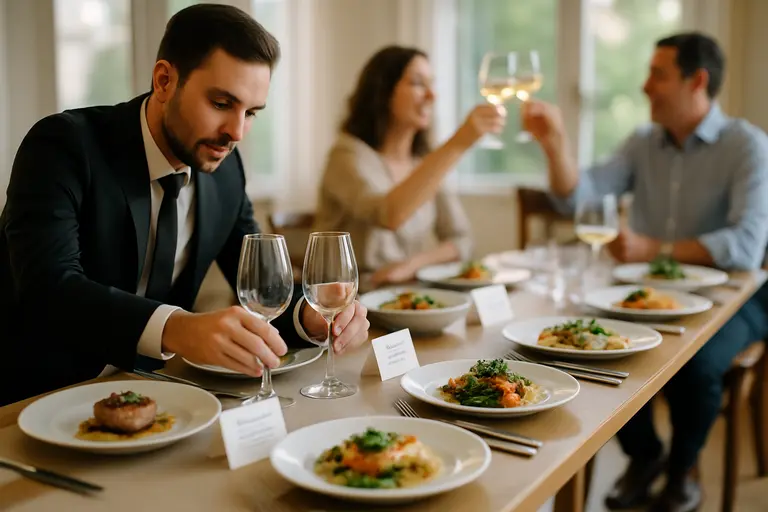
Wine pairing experiences work best when the timing feels natural. If the chef is plating a multi-course meal, the wine should usually be opened and ready before the food hits the table. Guests should not sit with cooling plates while someone searches for a corkscrew or decides which bottle comes next. This is why planning the flow matters as much as choosing the label.
Portion size also deserves attention. A dinner with several wines does not need every pour to feel like a full glass. Tasting portions may be more appropriate if the meal has several courses, though the exact amount should be agreed upon by the host, chef, and any beverage professional involved. The host should also plan appealing nonalcoholic options. That is not an afterthought; it is part of making the table feel welcoming to every guest.
Guest Comfort Matters
The tone of the pairing should match the group. Some guests enjoy detailed explanations about acidity, tannin, texture, and region. Others simply want to know, in plain language, why the pairing tastes good. A chef can keep the experience approachable by using short descriptions: crisp with fried food, fruit-forward with spice, earthy with mushrooms, or sweet enough for dessert. These are not rigid rules. They are conversation starters.
Hosts should also tell the chef about the group’s comfort level with wine. A birthday dinner with close friends may call for a lighter touch than an anniversary dinner planned around a formal tasting menu. A business dinner may need less explanation and more smooth service. Wine can create connection, but only if the room feels relaxed enough for people to enjoy it.
- Ask who selects, buys, chills, opens, and serves the wine.
- Confirm whether wine is included in the quoted price or billed separately.
- Share guest preferences, including those who prefer not to drink alcohol.
- Decide whether the event should feel educational, casual, or celebratory.
- Confirm glassware, ice, refrigeration space, and cleanup expectations.
Wine Pairing Experiences With Personal Chefs At Home
A Practical Booking Checklist
Wine pairing experiences with personal chefs at home are most successful when expectations are written down before the dinner date. The host does not need a formal contract for every small gathering, but the basics should be clear in an email or booking note: date, time, address, number of guests, menu direction, course count, wine responsibilities, service style, budget, and cancellation terms. If the chef is only suggesting wine styles, that should be stated. If the chef is coordinating the full pairing, that should be stated too.
It is also wise to ask how the chef handles last-minute changes. A guest may request no alcohol. A bottle may be unavailable. A menu may shift because an ingredient cannot be sourced at the expected quality. A calm plan for substitutions protects the spirit of the event. The goal is not perfection for its own sake; it is a dinner that feels cared for.
For community-focused dining, the most meaningful private meals are often the ones where guests remember both the flavor and the feeling of being hosted well. Wine can help create that memory when it is chosen with the food, the room, and the people in mind. If you are planning a private dinner, start with the menu, then build the bottles around it. That order keeps the meal grounded and gives the chef the best chance to create a pairing experience that feels generous rather than forced.