

Dining out for a romantic evening demands strict operational control from the kitchen and the front of house. Most operators ruin the experience before the host seats the guests. They cram tables inches apart, blast uncurated playlists at deafening volumes, and serve fat-laden dishes that induce immediate lethargy. A successful evening requires a space built for human connection. I spend my life analyzing dining rooms, and finding the right environment takes a highly critical eye. De Novo European Pub succeeds right where others drop the ball. They control the physical environment and offer a menu built for pacing rather than sheer consumption.
Controlling the Acoustics and Environment
The physical room dictates the success of a date. Spending two hours shouting over clattering silverware means the night is a total failure. Modern restaurant builds often use cheap drywall and hard angles that bounce sound waves directly into your conversation. De Novo occupies a structure built entirely with heavy masonry. Exploring the history of the Upper Montclair Train Station reveals a building constructed with soaring ceilings and thick walls that naturally absorb chaotic noise.
This architectural weight allows couples to speak at a normal volume. The impact of noise on dining is a well-documented science. Reviewing the architectural data on restaurant acoustics and conversation shows exactly why historical spaces provide superior auditory comfort. The lighting remains deliberately low at the Bellevue Avenue location, forcing the focus onto the table rather than the periphery of the busy room.
Pacing the Shared Table
The menu strategy dictates the flow of the night. Ordering massive, individual entrees immediately creates physical distance between diners. Sharing plates forces direct interaction. The European pub model thrives on this communal structure. You start the evening with a wood-fired flatbread. The blistered crust holds high-end ingredients like wild mushrooms and truffle oil, providing a warm, approachable start without exhausting the palate early.
The front-of-house staff must recognize the pacing of a date and step back, stepping in only to clear plates or refresh drinks. The hospitality philosophy of Demetri Malki trains servers to read the table with precision. They act as quiet facilitators, keeping the evening flowing without constant, jarring interruptions.
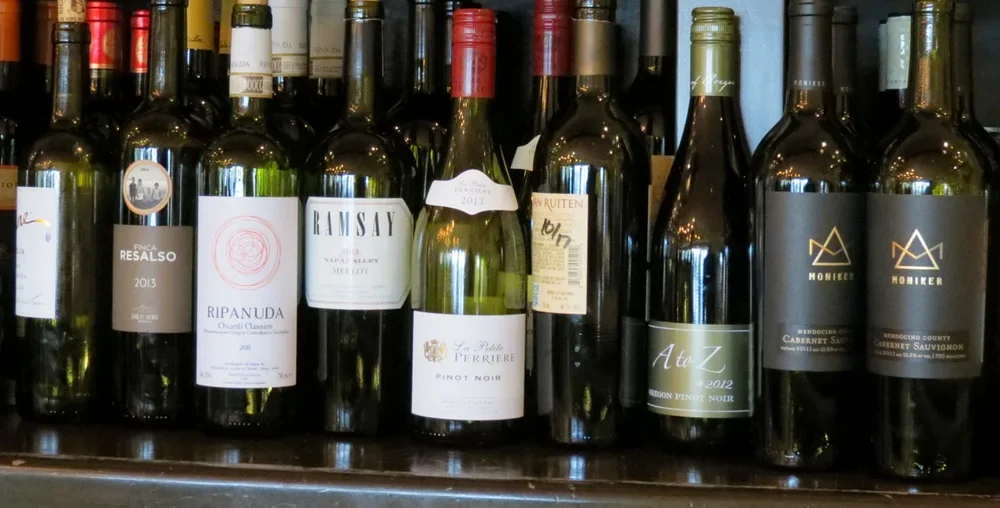
Transitioning into the main course requires structural balance. Ordering the Blackened Salmon means the sharp horseradish cream slices through the heavy oils of the fish. Pairing this with a high-acid white wine resets the tongue entirely. Grasping the strict science of food and wine pairing proves that proper acidity keeps the diner alert and engaged throughout the meal.
| The Date Night Phase | The Order Strategy | The Culinary Rationale |
| The Opening | Shared Charcuterie or Wood-Fired Flatbread | Forces interaction and sets a slow, comfortable grazing pace. |
| The Main Course | Seafood or House-Made Pasta | Offers high-end execution without the physical weight of a heavy steakhouse cut. |
| The Beverage | Dry, High-Acid European Wines | Cleanses the palate and prevents the lethargy caused by sugary cocktails. |
The Low-Pressure Brilliance of the Pub-Plex
A formal tasting menu places heavy demands on the guests. You sit for three hours analyzing foams and gels instead of talking to the person sitting across from you. De Novo operates as a European pub with a dedicated high-end sushi counter. This hybrid model allows couples to customize their exact experience on the fly.
You can order pristine Bluefin Tuna from Chef Kenny Mar’s station, transition right into a wood-fired pizza, and finish with a double espresso. The menu flexes to fit the exact mood of the evening. It removes the stiff, pretentious atmosphere found in traditional fine dining and replaces it with energetic comfort.
The Final Impression and Digestifs
The dessert course acts as the closing argument of the night. You want a clean finish, not a sugar coma. A heavy slice of commercial fudge cake ruins the momentum. De Novo’s kitchen applies classical pastry techniques to finish the meal with serious precision. Their olive oil cake delivers moisture and a subtle peppery finish, side-stepping the trap of excessive sweetness.
Pastry chefs rely on salt and bitter notes to create tension against sugar. This guide to balancing sugar and salt in pastry details exactly why a dessert needs contrasting flavors to wake up a tired palate. Pairing that final bite with a sharp espresso or a bitter amaro acts as a biological reset button.
When we compile our local Montclair restaurant reviews, we penalize kitchens that drop the ball at the finish line. De Novo carries its technical rigor straight through to the check presentation. It provides an environment where the food supports the romance rather than competing against it. That strict execution is exactly what defines a flawless night out in Upper Montclair.