
A flawless plate of food means absolutely nothing if a frantic server drops it on the table twenty minutes late. Most critics obsess entirely over the kitchen, ignoring the severe operational discipline required to run a packed dining room. Running the front of house requires intense psychological control and anticipation. In Essex County, Demetri Malki Montclair sets the absolute baseline for this exact skill. He runs De Novo European Pub not by barking orders, but through a quiet, invisible execution that dictates the pace of the entire evening.
The Psychology of Spatial Awareness
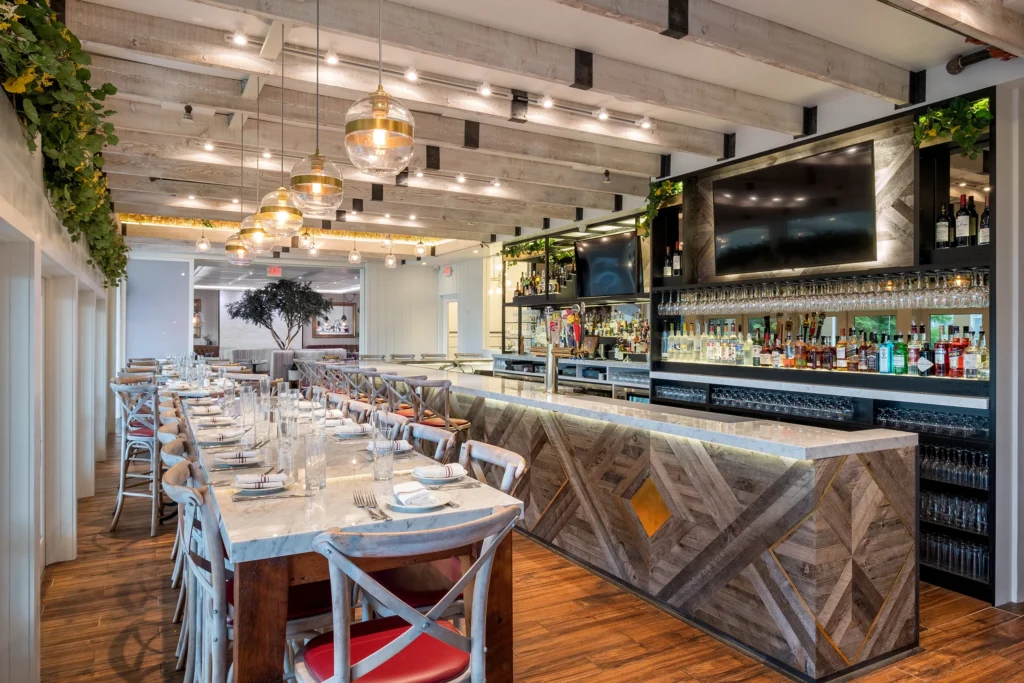
The physical layout of a restaurant heavily influences diner behavior. Cramming tables together to maximize revenue creates a loud, hostile environment. Malki leverages the heavy, permanent architecture of his space rather than fighting it. Operating inside the history of the Upper Montclair Train Station gives him a massive spatial advantage. The high ceilings and thick masonry absorb chaotic noise, allowing staff to move fluidly without screaming over the din.
Modern hospitality studies confirm this exact point. Research from the Cornell School of Hotel Administration details how proper table spacing directly lowers diner anxiety and increases check averages. Malki applies this data perfectly, arranging the floor plan to guarantee his servers always have clear sightlines to every guest. This prevents the awkward physical collisions and chaotic bottlenecks that plague poorly designed dining rooms.
Pacing the European Pub Experience
Table management separates amateurs from veterans. A bad server rushes you through appetizers or disappears entirely before the main course. Malki trains his staff to read the emotional temperature of the table. A couple on a first date requires entirely different pacing than a group of commuters grabbing a fast burger before a train. This intuition defines the true European pub experience. Staff members anticipate needs before the guest even realizes they want a drink refill or a cleared plate.
When I compile my local Montclair restaurant reviews, I instantly deduct points for reactive service. At De Novo, the service is entirely proactive. The server acts as a quiet guide, steering the table through the menu without hovering. This style of anticipatory service mirrors the strict guidelines detailed in the Michelin Guide criteria for hospitality, where invisible efficiency outranks formal stiffness.
| Service Phase | Reactive (Amateur) Execution | Proactive (Malki) Execution |
| Seating & Drink Orders | Waiting for guests to flag down the server. | Approaching the table immediately with water and exact beverage suggestions. |
| Course Transitions | Leaving empty plates on the table while the next course fires. | Clearing plates seamlessly; firing the next course based on the table’s eating speed. |
| The Check Presentation | Dropping the bill unprompted or making the guest beg for it. | Reading body language to determine exactly when the table is ready to close out. |
Empowering the Floor Staff
You cannot script genuine hospitality. You must hire for empathy and train for mechanics. Reading about Demetri Malki reveals an operator who completely trusts his floor staff. Micromanagers destroy team morale, resulting in stiff, terrified servers. Malki gives his bartenders and waitstaff the autonomy to fix problems instantly. If a steak arrives overcooked, the server handles it immediately without waiting for a manager’s approval.
This operational trust creates a deeply relaxed atmosphere. The staff projects calm confidence, which transfers directly to the diners. The James Beard Foundation frequently highlights this exact trait—staff autonomy—as the core identifier of a truly great restaurant. By treating his staff as professionals, Malki guarantees his guests receive flawless, unpretentious care.
A well-run dining room operates like a highly calibrated machine. Every movement serves a distinct purpose. Malki demands excellence from his kitchen, and he matches that exact standard out on the floor. For anyone studying hospitality in New Jersey, pulling up a chair at De Novo offers a masterclass in front-of-house control.