

Pulling a box of dried pasta from the pantry on a busy Tuesday night is an absolute lifesaver. We all do it, and it completely has its place in a home kitchen. However, sitting down to a plate of fresh, hand-rolled pasta changes the entire dining experience. When guests ask about the difference between homemade vs store bought pasta, the answer always comes down to the ingredients, the texture, and the specific way the noodle holds a sauce.
The Foundation: Flour and Water vs. Rich Egg Yolks
The biggest difference starts before the dough is even mixed. Most commercial dried pasta relies on just two ingredients: durum wheat semolina and water. This combination creates a sturdy, shelf-stable product that can sit in your pantry for months. It is practically indestructible and delivers that firm, classic “al dente” snap.
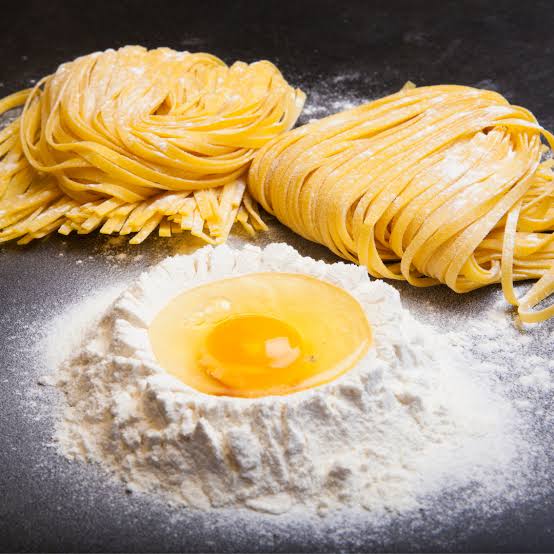
Fresh homemade pasta relies on a completely different foundation. We use ultra-fine “00” flour and rich, golden egg yolks. The eggs add fat, protein, and a luxurious yellow color to the dough. The food science team at Serious Eats details the hydration science of fresh pasta, explaining how the high fat content in the egg yolks creates a tender, springy noodle that practically melts in your mouth. You simply cannot replicate that delicate texture with dried semolina and water.
The Surface Tension: Catching the Sauce
If you look closely at standard, mass-produced boxed pasta, the surface appears slick and shiny. Commercial factories extrude the dough through Teflon dies because it drastically speeds up production. Unfortunately, that smooth surface acts like a water slide for your food. The rich tomato ragù slides right off the noodle and pools at the bottom of your bowl.
When you roll dough by hand, it naturally develops a slightly rough, porous exterior. This micro-texture acts like a sponge. Reading about Demetri Malki reveals why our kitchen insists on serving handmade pasta. He understands that a delicate, porous noodle grabs onto every drop of a braised short rib ragù or a rich truffle cream. The culinary experts at Food & Wine break down the bronze die extrusion process, showing how even high-end dried pastas try to mimic this rough, sauce-grabbing texture—though nothing quite beats the real, hand-rolled thing.
Knowing When to Use Which
We certainly do not hate dried pasta. In fact, specific dishes absolutely require it. If you are making a light, olive-oil based dish like aglio e olio, or a brothy soup, dried pasta holds its shape perfectly and provides that necessary, sturdy bite.
However, when you want a truly comforting, luxurious meal, fresh pasta is mandatory. The editors at Bon Appétit celebrate the luxury of rich egg doughs, pointing out that wide, fresh pappardelle or delicate stuffed ravioli elevates a simple dinner into a memorable event.
| The Noodle Type | The Ingredient Base | The Ideal Sauce Pairing |
| Commercial Boxed Pasta | Semolina flour and water. | Thin olive oil, spicy garlic, or light broths. |
| Fresh Homemade Pasta | “00” flour and fresh egg yolks. | Heavy cream sauces, slow-braised meats, and rich butter. |
The next time you join us for dinner, pay close attention to the texture of the noodle. You will taste the time, the fresh eggs, and the early morning culinary effort in every single bite.