
Sustainable sourcing has moved from a pleasant menu phrase to a practical business choice for many restaurants in 2026. For Montclair diners, that shift matters before a reservation is made: it can affect what is on the menu, how often dishes change, how staff explain ingredients, and how restaurants respond when prices or harvests do not cooperate. The conversation is not just about virtue. It is about taste, trust, cost, and whether a restaurant can keep its promises without pretending every ingredient can be local every day.
The clearest national signal came before 2026 began. On November 19, 2025, the National Restaurant Association said its 2026 What’s Hot Culinary Forecast ranked local sourcing as the number one overall restaurant trend, noting that restaurants were deepening community ties through nearby farms and producers in its culinary forecast. That ranking gives local farm purchasing a different weight. It is no longer a side note on a chalkboard. It is one of the defining ways restaurants are trying to describe value.
Why Sustainable Sourcing Leads 2026 Menus
Sustainable Sourcing As A Booking Signal
For diners, sustainable sourcing works best when it answers a simple question: what can I reasonably expect from this kitchen? A restaurant that builds dishes around nearby farms may have shorter descriptions, fewer permanent items, and more seasonal substitutions. That can be a strength when the kitchen communicates clearly. It can be frustrating when “local” is used as a vague comfort word with no useful detail.
The pressure is not only cultural. Restaurant operators have been reacting to food costs in direct ways. In the 2026 State of the Industry Report, 82% of operators said that in 2025, because of rising food costs, they purchased more items from local sources; 19% said they bought less from local sources, according to the industry report. That split is worth reading carefully. Local buying is not automatically cheaper or easier. For many operators, it appears to be a strategy for control, freshness, relationship-building, or menu flexibility during a period of price pressure.
What Local Farms Change On The Plate
Local farm influence usually shows up first in produce, herbs, dairy, eggs, and seasonal specials. In a Montclair context, diners may notice more dishes that depend on timing: asparagus in spring, tomatoes in late summer, squash in fall, or greens that change with availability. A restaurant does not need to turn every dish into a farm report, but the strongest menus often give enough context for guests to understand why a dish exists now and may not exist later.
This is where sustainable sourcing becomes less abstract. A chef buying from nearby producers may write a menu with less certainty but more responsiveness. That can mean a roasted vegetable dish changes from week to week, a salad features a different green, or a garnish disappears because a delivery did not arrive. Diners who prefer fixed favorites may see that as inconsistency. Diners who value seasonality may see it as a sign that the kitchen is cooking from actual supply rather than a static template.
How Local Farms Shape Restaurant Operations
Seasonality Requires Honest Menus
Seasonal sourcing asks restaurants to be honest about limits. Not every ingredient can be nearby. Coffee, chocolate, citrus, many spices, and some seafood will come through broader supply chains. A serious restaurant can still practice sustainable sourcing while naming what is local, what is regional, and what is simply purchased with care. The problem begins when a menu suggests a purity that the kitchen cannot support.
That distinction matters for community trust. Montclair diners are used to reading menus closely, comparing reservation notes, and asking informed questions. If a server can explain which farms or producers are involved, how often deliveries arrive, or why a dish changed, the restaurant earns confidence. If the only answer is “it’s local,” the claim does less work.
Costs, Substitutions, And Smaller Menus
Local buying can create pressure on menu pricing, especially when farms have smaller volumes or face weather-related losses. The available research supplied for this article points to operators increasing local purchases partly in response to rising food costs, but that does not mean every local product lowers the bill. Restaurants may use nearby farms to reduce dependence on long supply chains, support freshness, or tighten relationships with producers. The effect on menu price can vary.
One practical result is the rise of leaner menus. A shorter menu can help a kitchen buy with less waste and adjust more quickly when a farm has limited supply. For diners, that means the most useful question is not “Is everything local?” A better question is: “Which dishes are built around local supply right now?” That phrasing invites a specific answer and avoids putting the server in the position of defending the whole menu.
What Montclair Diners Should Ask Before Booking
Questions That Get Specific Answers
Before booking a restaurant that promotes farm ties, diners can learn a lot from a short phone call, reservation note, or menu scan. The goal is not to interrogate the staff. It is to understand the kind of dining experience being offered. A restaurant with a strong sourcing program should be able to answer in plain language, even if the answer includes limits.
- Which menu items are tied to local farms or nearby producers right now?
- How often does the menu change because of seasonal availability?
- Are substitutions common if a farm delivery changes?
- Does the restaurant identify farms on the menu or through staff explanations?
- For private meals, can the chef design a menu around local availability?
Those questions also apply beyond restaurants. Personal-chef services and catered dinners face the same sourcing tradeoffs, especially for families who want local produce but also need dietary preferences, budget, and timing respected. A related site in the same network, Personal Chef Mall, provides a valuable resource for those considering chef-led meals outside of a traditional restaurant setting.
Reading The Menu With Care
A well-written menu does not need to list a farm beside every carrot. It should, however, avoid empty language. Phrases such as “farm fresh” or “locally inspired” can sound appealing without telling diners much. Stronger wording identifies a producer, region, ingredient, or season. If a restaurant says the salad changes with local harvests, that is more useful than a broad claim that everything is fresh.
For readers who want to compare this issue with broader buying practices, our related piece on local sourcing strategies looks at how restaurants balance farm ties with flexible purchasing. That balance is the real story in 2026: diners want transparency, but restaurants still need consistency, staffing discipline, and prices guests will accept.
The Cultural Meaning Of Local Farm Sourcing
Community Value Without Romantic Claims
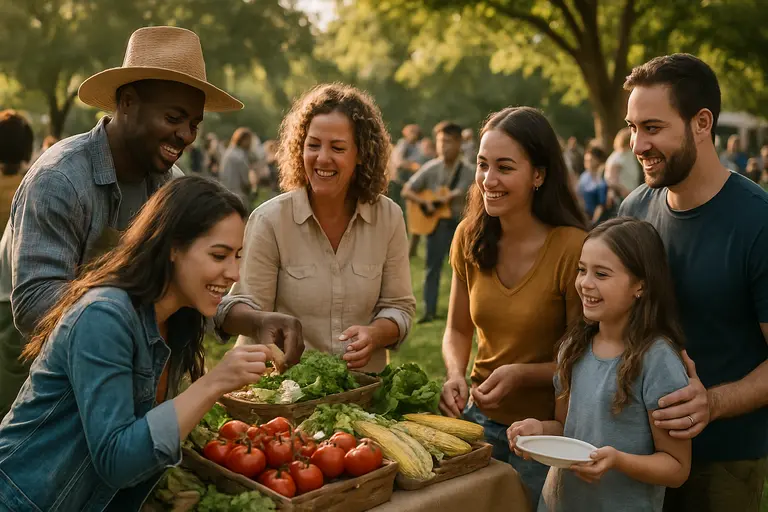
Local farm sourcing carries emotional weight in a town like Montclair because dining is part of neighborhood life. Restaurants are meeting places, date-night anchors, family gathering spots, and small-business ecosystems. Buying from nearby farms can strengthen those ties, but it should not be romanticized. Farming is subject to weather, labor, transport, land costs, and unpredictable yields. Restaurants that work with farms are participating in a practical exchange, not a fairy tale.
That realism can make the dining experience better. If a chef explains that a dish changed because a crop was limited, the substitution can feel like part of the meal’s story rather than a disappointment. If a restaurant uses local sourcing only as marketing, diners may sense the gap. Sustainable sourcing earns its place on the menu through clarity and repetition, not slogans.
How Reviewers Should Judge The Claim
For restaurant criticism, the question is not whether a menu sounds virtuous. The question is whether the sourcing idea improves the meal and is communicated honestly. Does the tomato taste like it deserves top billing? Does the seasonal dish feel complete rather than improvised? Does the staff understand the claim well enough to answer a basic question? Does the restaurant admit when an ingredient is regional, national, or simply chosen for quality?
Those are fair standards. They do not punish restaurants for using broader supply chains where needed, and they do not give automatic praise for nearby purchasing. Sustainable sourcing is meaningful only when it supports the guest experience, respects producers, and fits the restaurant’s actual capacity.
Sustainable Sourcing In Montclair Dining
The influence of local farms in 2026 is best understood as a shift in restaurant discipline. Menus are becoming more responsive, diners are asking sharper questions, and operators are using nearby suppliers as one way to manage cost pressure and community expectations. The strongest restaurants will not be the ones making the broadest claims. They will be the ones that can explain what they buy, why it matters, and how those choices make the meal better.
For Montclair diners, the practical move is simple: read menus with curiosity, ask specific questions, and stay open to seasonal change. A dish that disappears may not signal poor planning. It may mean the kitchen is cooking from real farm availability. In 2026, that honesty is one of the clearest signs that sustainable sourcing has matured from a trend into a working part of the dining experience.