
The Apple Shortage has turned a familiar Pennsylvania fall routine into a more careful dining season. As of September 15, 2026, verified reporting points to a severe supply shock after a late-April freeze followed an early warm spell that pushed trees into bloom. For diners in Pennsylvania, and for Montclair readers who travel west for orchard weekends, cider stops, or seasonal restaurant meals, the practical question is simple: what changes should you expect before you book?
This is not a story about one restaurant swapping one dessert. The public reporting available so far does not verify specific menu edits at named Pennsylvania restaurants, so it would be unfair to claim that a particular kitchen removed a pie, raised a price, or changed a cider pairing without direct confirmation. What can be reviewed with confidence is the supply picture behind those menus, and that picture is serious. Philadelphia Magazine reported statewide apple crop losses estimated at 70 to 90 percent, with total agricultural damage near $200 million; it also reported that Highland Orchards in West Chester expected only about 5 percent of a normal apple yield after the freeze reported by Philadelphia Magazine.
How The Apple Shortage Reaches Restaurants
Why The Apple Shortage Started
The Apple Shortage began with timing. A warm spell pushed Pennsylvania apple trees into bloom before a late-April 2026 freeze struck. Once trees bloom, tender buds are exposed, and a hard freeze can sharply cut the amount of fruit that sets for the season. The effect was not uniform across every orchard, because elevation, variety, and bloom timing can change the outcome from farm to farm.
Penn State Extension has advised farm markets to think flexibly about sourcing because some varieties were hit harder than others, which means shoppers may see a narrower selection of apples during the 2026 season Penn State Extension guidance. That variety issue matters for restaurants because chefs often build fall dishes around texture, sweetness, acidity, and how an apple behaves under heat. A firm baking apple is not the same tool as a crisp snacking apple, and a cider apple is a different ingredient again.
How Sourcing Changes The Plate
For restaurants, the Apple Shortage is likely to be felt first in purchasing rather than on the printed menu. Kitchens that usually buy nearby Pennsylvania fruit may need to accept smaller quantities, fewer varieties, or apples from farther away. Reporting also noted that transportation and diesel costs are adding overhead when apples need to be sourced outside nearby growing areas. That cost pressure may show up as smaller seasonal features, fewer apple-based specials, or menu language that changes more often than guests expect.
None of that means fall cooking loses its charm. It does mean diners should read menus with a sharper eye. If a restaurant lists a local apple variety, that detail may carry more meaning than usual in 2026. If a dessert is described more generally as “orchard fruit,” that may be a practical way for the kitchen to work with what arrives that week. The useful review standard here is not whether every fall plate contains apple; it is whether the restaurant communicates clearly and serves a dish that makes sense for the supply it can actually obtain.
What Diners Should Ask Before Booking
Questions For Servers And Reservation Teams
Before making a reservation for a fall meal built around cider, pies, tasting menus, or orchard produce, diners can ask direct questions without putting staff on the spot. The goal is not to pressure a restaurant for unavailable ingredients. It is to understand what the kitchen can support that day.
- Ask whether apple desserts or cider pairings are available on the date of your reservation.
- Ask whether listed apple varieties are Pennsylvania-grown or sourced from another region.
- Ask whether limited seasonal items tend to sell out early in service.
- Ask whether a tasting menu may change because of orchard supply.
- Ask cider bars or restaurants whether specific blends differ from prior years.
Those questions are especially useful for group dinners, birthdays, and chef-led private meals where guests may have a strong expectation of a classic fall dessert. For readers comparing restaurant reservations with at-home chef service planning, related chef-planning resources can help frame the same questions around sourcing, menu flexibility, and timing.
How Montclair Diners Can Read A Pennsylvania Menu
Montclair diners already understand how quickly Northeast menus shift with the season. Our related look at regional dining trends covered how cooler weather changes the way restaurants plan dishes. The Pennsylvania apple issue adds a sharper lesson: seasonal cooking depends on actual harvest conditions, not just calendar mood.
If you are planning a Pennsylvania dining trip in late September or October 2026, confirm details close to the meal rather than relying on a menu saved days earlier. A restaurant may keep the same general fall structure while changing the fruit component. That is not a failure of planning; it can be a sign that the kitchen is buying according to available supply. For diners, flexibility will make the meal more enjoyable. For chefs, honest menu wording will matter more than leaning on the usual autumn cues.
Cider, Desserts, And Orchard Signals
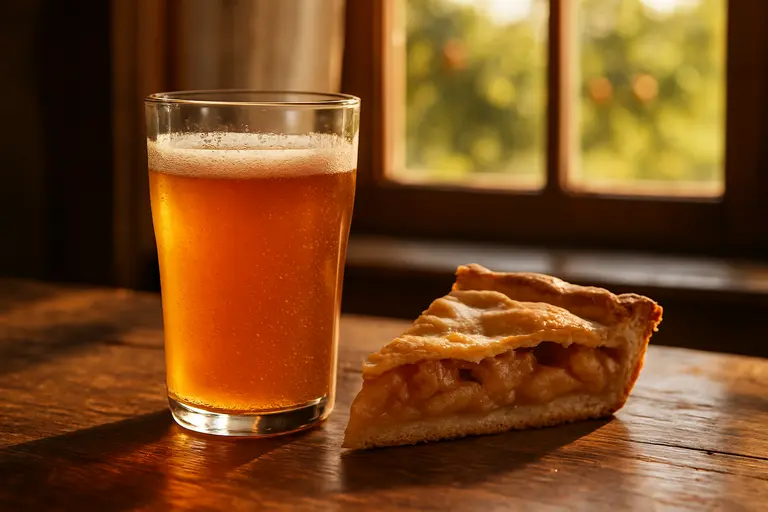
Cider Lists May Feel Different
Pennsylvania’s cider scene is also affected. Reporting placed the state’s craft cider industry at roughly three dozen cideries, about twice the number from a decade earlier, and noted that some cider blends may be impossible to make or may taste different because producers need fruit from farther away. For restaurant beverage programs, that can mean fewer familiar bottles, different vintages, or higher costs for certain pours.
Diners who enjoy cider should treat 2026 as a year to ask about producer choices. A server or bartender may be able to explain whether a cider is made with Pennsylvania fruit, out-of-state fruit, or a blend shaped by the harvest. That context can make the glass more interesting. It also avoids the disappointment of expecting last year’s flavor profile in a season when the crop itself changed.
Dessert Menus Need Context
Apple pie, cider doughnuts, tarte Tatin, fritters, and compotes carry emotional weight in fall dining. The Apple Shortage does not erase those foods, but it does make availability less predictable. Some orchards are still offering fall experiences such as hayrides, corn mazes, cider doughnuts, cider, and pies, though reporting noted reduced hours or limited varieties in some cases. Restaurants connected to those same supply channels may need to be just as flexible.
A well-run dining room can help by describing limited items plainly. “Available while supply lasts” is useful if staff can explain what that means in practice. A dessert that uses a smaller amount of apple as an accent may be a thoughtful choice rather than a cutback. A kitchen that chooses another seasonal fruit or a spice-driven dessert may be protecting quality rather than forcing a dish that the market cannot support.
What The Apple Shortage Means For Fall Dining
The Apple Shortage is a reminder that local sourcing is not a slogan; it is a relationship with weather, transportation, storage, and farm economics. In a strong crop year, restaurants can make fall feel effortless. In 2026, the work is more visible. Chefs need to buy carefully, beverage teams need to explain cider changes, and guests need to approach apple-heavy menus with patience.
For Pennsylvania restaurants, the most credible innovation may be restraint. Rather than overpromising apple desserts or leaning on vague seasonal language, the better move is to be specific: name the farm when verified, update menus promptly, and prepare staff to answer sourcing questions. For diners, the best strategy is to book with curiosity. Ask what is available, accept that favorite varieties may be missing, and pay attention to restaurants that handle the shortage with clarity.
Fall dining in Pennsylvania can still feel generous on September 15, 2026 and beyond, but it may look different from the apple seasons people remember. The restaurants and cider makers that communicate supply honestly will give guests the clearest path to a satisfying meal, even in a year when the harvest gave everyone less to work with.