

OneSpeed Pizza has become a useful case study for diners who care about what goes into a pizza before it reaches the table. Based on available source material, the East Sacramento restaurant is tied closely to organic flour, organic DiNapoli tomatoes, local produce, and seasonal specials. That makes it a natural fit for a source-based Night Out review focused on practical dining questions: what is verified, what diners should ask before booking, and how to read ingredient claims with care.
The key facts are refreshingly food-centered. A listing for the restaurant places it at 4818 Folsom Blvd, Sacramento, CA 95819, and describes California-style pizzas with a thin, chewy crust made from organic flour, along with a signature tomato sauce using organic DiNapoli tomatoes; it also says most produce comes from nearby organic farms MapQuest listing. A local profile also points to seasonal specials and dishes that aim to stay “seasonally relevant” Inside Sacramento profile. Those details are enough to sketch a careful dining picture, without stretching into claims the sources do not confirm.
Why OneSpeed Pizza Centers Ingredients
What OneSpeed Pizza Lists Clearly
The most concrete ingredient claims around OneSpeed Pizza concern the building blocks of the pizza itself. The crust is described as thin and chewy, made with organic flour. The tomato sauce is described as a signature sauce featuring organic DiNapoli tomatoes. For diners, those two points matter because crust and sauce set the tone for the entire meal. Before toppings enter the picture, the dough and tomato base determine whether the pie tastes lean, sweet, tangy, chewy, crisp, or soft.
Organic flour is a meaningful sourcing detail, but it should be read exactly as stated. The source material supports that the flour used for the thin, chewy crust is organic. It does not provide a flour brand, milling method, protein percentage, or fermentation schedule, so those details should not be assumed. The same careful reading applies to the sauce. Organic DiNapoli tomatoes are named, but the available source does not verify the full sauce recipe, cooking method, or whether the sauce changes with specials.
Why Seasonal Language Matters
Seasonality is one of the strongest signals that a restaurant is planning around produce rather than treating vegetables as fixed decoration. The local profile’s reference to seasonal specials suggests that the menu is built, at least in part, around what makes sense at a given moment. For diners, that can mean the most interesting order may not be the same week after week.
That does not mean every dish is local or every ingredient is organic. The verified language is more specific: most produce is described as coming from nearby organic farms, and the restaurant is associated with seasonal offerings. The distinction matters. Good food writing should celebrate clear sourcing without turning a limited claim into a blanket promise. The practical move is to ask what is seasonal that day, which toppings are from nearby farms, and whether the kitchen has any specials that show off current produce.
What Diners Should Expect Before Booking
Confirm The Practical Details
For diners, OneSpeed Pizza is easiest to understand as a neighborhood restaurant with ingredient-forward pizza at the center of the experience. The source set verifies the address and several ingredient claims, but it does not provide current hours, reservation policies, pricing, or the day’s menu. Those details can change, so diners should confirm directly with the restaurant before planning a special night out.
This is especially true for anyone building a meal around dietary preferences, a large group, or a specific seasonal special. A seasonal menu can be part of the fun, but it also means a dish seen in an article or listing may not be available on the night you visit. If a particular ingredient is the reason for the reservation, call ahead and ask.
Questions Worth Asking At The Table
A thoughtful diner does not need to interrogate the staff to appreciate sourcing. A few direct, polite questions can give the meal useful context. Ask which produce is currently local, which specials are tied to the season, and whether the kitchen recommends a pie that best shows off the tomato sauce or dough. These questions are practical, and they keep the focus on the meal rather than turning dinner into a lecture.
- Ask which seasonal special best represents current produce.
- Confirm whether the menu item you want is available that day.
- Ask which pizza highlights the organic tomato sauce most clearly.
- For allergies or dietary needs, contact the restaurant directly before visiting.
Readers who enjoy ingredient-led dining may also be planning private dinners at home. In that setting, a personal chef planning resource online can help frame questions about sourcing, menus, and expectations before hiring a chef. The same principle applies whether eating out or hosting in: clear questions lead to a better meal.
How Sourcing Shapes The Meal
Crust, Sauce, And Produce
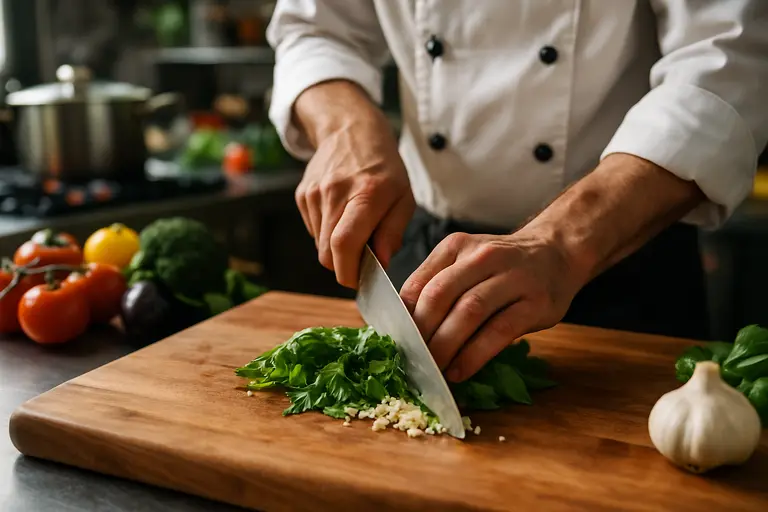
A OneSpeed Pizza order is not documented in the available research dish by dish, so this review should not invent a favorite pie, a price range, or a table-side impression. What can be said is that the restaurant’s sourcing language points to a style of cooking where simple parts carry real weight. If the crust is thin and chewy, it needs enough structure to hold sauce and toppings without becoming heavy. If the sauce features organic DiNapoli tomatoes, the tomato flavor is likely intended to be a central part of the pizza rather than background moisture.
Local produce can also change how a pizza reads on the plate. Seasonal vegetables tend to encourage combinations that are more tied to the calendar. In spring, diners might expect lighter produce on many California menus; in late summer, tomatoes, peppers, or other warm-season ingredients often appear across the region. Still, without a current official menu in the source set, the safest recommendation is not to predict exact toppings. Ask what is fresh, ask what is local, and let the staff point you toward the current strengths.
What This Review Can And Cannot Claim
A fair review separates verified facts from dining opinion. The verified facts here include the East Sacramento address, the use of organic flour for a thin, chewy crust, the use of organic DiNapoli tomatoes in a signature sauce, the emphasis on locally sourced organic ingredients, and the presence of seasonal specials. Those facts support the idea that sourcing is central to the restaurant’s public identity.
What is not verified by the approved sources is equally important. This review cannot confirm current wait times, reservation availability, exact menu items, customer ratings, awards, inspection details, or whether the restaurant has relocated or plans to move. It also cannot claim that one dish is the best choice. Diners should treat this as a sourcing-focused preview rather than a replacement for current restaurant information.
How To Read The OneSpeed Pizza Sourcing Story
Useful Takeaways For Local Diners
The most practical view of OneSpeed Pizza is this: the restaurant’s public sourcing details give diners a clear reason to pay attention, especially if they value organic flour, organic tomatoes, and produce connected to nearby farms. The strongest move is to approach the meal with curiosity. Choose a pizza that highlights the dough and sauce, ask about seasonal specials, and leave room for the menu to reflect what is available rather than what was posted months ago.
For Montclair readers who follow local food culture from afar, Sacramento’s farm-to-fork sensibility may feel familiar in spirit. Communities with serious diners often care about the same questions: Where did the produce come from? What is in season? Is the menu built around ingredients, or are ingredients simply listed for effect? In this case, the available reporting supports a restaurant identity built around organic and local sourcing, with pizza as the most direct expression of that approach.
That is enough to make this a worthwhile entry in a practical dining notebook. Not because every detail is known, and not because a source-based review can replace a real meal, but because the verified details point to a kitchen where dough, tomatoes, and produce are treated as more than routine supplies. For anyone planning a visit, the smartest next step is simple: confirm the current details, ask about the seasonal special, and order with an eye toward the ingredients that brought you there.