
Mobile Chef Services in Jackson Hole are gaining attention because they answer a very specific dining problem: how do you bring a full fine-dining experience to a ranch, vacation home, ski chalet, or remote outdoor setting without asking guests to leave the place they came to enjoy? For travelers used to restaurant reservations as the center of a special meal, this model shifts the room, the timing, and much of the service design into the hands of the chef team. The appeal is easy to understand, but the details matter: cost, equipment, staffing, menu scope, access to the property, and cleanup all shape whether the experience feels polished or merely expensive.
From a Montclair perspective, the trend has a familiar edge. Our local dining culture has long valued restaurants as gathering places, yet households are also showing more interest in chef-led meals at home. For Montclair households considering a related model, our coverage of personal chefs at home offers a local parallel. Jackson Hole raises the stakes because the setting may be a mountain property, a ranch event, or a luxury rental where the kitchen is not always built for restaurant-level production.
Why Mobile Chef Services Fit Jackson Hole
Jackson Hole is a natural market for private and mobile dining because many visits are built around place: ski weeks, ranch stays, destination gatherings, and vacation homes. A restaurant can still be the right choice for many nights, but a staffed dinner at the property can be appealing when the group includes children, older relatives, long travel days, or guests who would rather not drive after dinner. The service is not just food delivery. In the strongest examples, it is a temporary restaurant built around the host’s site.
What Mobile Chef Services Include
The clearest example in the recent reporting is Mile High Chef, led by Steve Ingber. On September 12, 2026, Cowboy State Daily reported that Jackson Hole had become the company’s fastest-growing market for mobile white-glove dining. The same report described events in places without basic restaurant infrastructure, with the team bringing essentials such as portable kitchens, induction burners, propane, staffing, service pieces, and production support.
That distinction matters. A private chef dinner can mean one person cooking in a home kitchen, while a larger mobile operation may mean a full event crew, rented or transported equipment, plated service, and dining-room styling. Mobile Chef Services carry much more logistical weight when the meal takes place far from a conventional kitchen. The farther the site is from a pantry, dish station, power source, or loading area, the more planning the host should expect before any menu is finalized.
Why The Setting Changes The Meal
In a restaurant, the guest sees the dining room and the plate. In a remote setting, the guest also benefits from a large amount of invisible planning: how ingredients arrive, where cold storage happens, how hot food is finished, how staff move between prep space and table, and how the property is returned to order afterward. That is part of why this style of dining can feel so different from catering. The goal is not simply feeding a crowd; it is creating a meal that feels intentionally placed in its surroundings.
Costs, Scope, And Service Style
The numbers in the recent research show why hosts should define their expectations before asking for a quote. Cowboy State Daily reported that Mile High Chef pricing started at about US$1,500 and could reach US$42,000 for large, multi-day events, including a 45-guest, four-day event during Cheyenne Frontier Days. That range is too wide to be useful without context, but it does tell diners one thing plainly: a mobile chef event is priced around service scope as much as food.
The Price Signals
A separate private chef guide published on April 16, 2026, said most intimate Jackson Hole dinners handled by MileHighCook cost US$150 to US$250 per person, with groceries, service, and cleanup included. That figure is more practical for a household or vacation group thinking about a multi-course dinner in a high-end rental or ski chalet. It also helps explain why the category overlaps with fine dining rather than takeout or casual catering.
The difference between US$150 per person and a five-figure event may come down to guest count, number of meals, staffing, rentals, travel time, site difficulty, menu ambition, and production needs. A plated dinner for eight in a well-equipped home is one kind of project. A ranch dinner with no standard kitchen, service staff, tablescape, and multiple days of meals is another. Diners should resist comparing quotes without asking what is included.
Service Style Shapes Value
Value in this category is not only measured by the menu. A host is paying for planning, shopping, prep, service, and cleanup, plus the knowledge needed to make a meal work outside a restaurant setting. If a quote includes groceries, that should be stated clearly. If staffing, rentals, bar service, flowers, tableware, or travel are separate, those lines should be visible before the deposit is paid. Mobile Chef Services can be impressive, but only when the agreement matches the event the host has in mind.
What Montclair Diners Can Learn
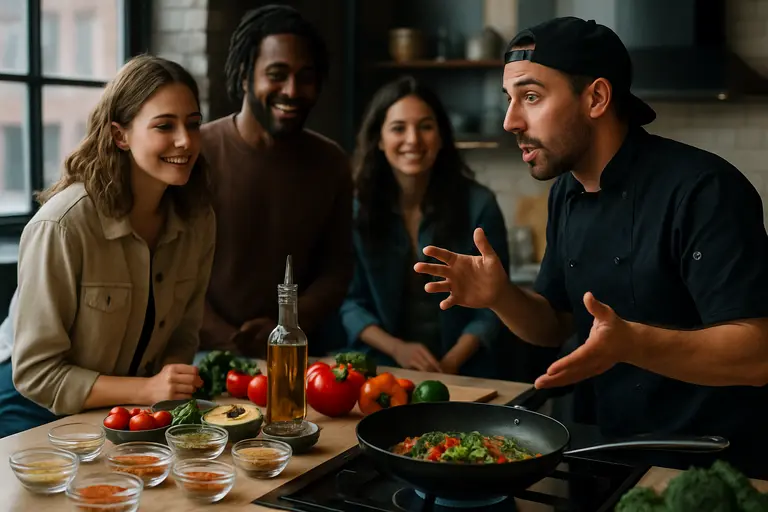
The Jackson Hole trend may feel far from Essex County, yet the lesson is useful for anyone who cares about dining culture. Restaurants are still public rooms, and they carry their own energy. Private chef meals are more personal, more controlled, and often more dependent on the host’s space. Neither format replaces the other. They serve different social needs.
For those keeping up with dining trends on Hudson Street Cafe, the broader pattern is clear: diners are increasingly focused on the context of their meals, not just the menu. The dining environment, whether public or private, greatly influences the experience. In Jackson Hole, the natural beauty of mountains and ranches enhances the appeal, while in Montclair, it might be the comfort of a home setting for special occasions that makes the most impact.
Questions Before Booking
Before hiring any private or mobile chef, diners should ask direct questions. The goal is not to challenge the chef; it is to make sure the event is priced and staffed correctly. A good planning conversation should make the host feel clearer, not more pressured.
- Is the quote per person, per event, or based on a minimum spend?
- Are groceries, service, cleanup, travel, rentals, and staffing included?
- What kitchen equipment does the property need to have?
- How many courses are planned, and is the menu fixed or custom?
- Who handles dishes, trash, leftovers, and the condition of the kitchen after service?
- What happens if guest count, weather, or site access changes?
Those questions are especially important in a destination market. Vacation homes vary widely. Some kitchens are built for entertaining, while others are attractive but limited. A chef may need access hours before the meal. Staff may need parking, loading space, refrigeration, or a staging area. None of that is glamorous, but it is often what separates a calm dinner from a strained one.
Booking Mobile Chef Services In Jackson Hole
Mobile Chef Services are best understood as a blend of restaurant craft, event planning, and property-specific problem solving. The recent Jackson Hole reporting supports a clear reading of the trend: demand is tied to high-end travel patterns, remote properties, ski and ranch groups, and guests who want fine dining without moving the party to a restaurant. The model can be intimate or expansive, but it is rarely casual in planning.
For diners, the wisest approach is to start with the occasion rather than the menu. Is the meal meant to be a quiet family dinner, a formal celebration, a multi-day house-party service, or a dramatic outdoor event? Once that is clear, the menu, staffing, equipment, and budget can follow. In Jackson Hole, the strongest chef services appear to sell more than dinner. They sell the ability to make a demanding setting feel fully hosted.
That is the cultural point worth watching. Fine dining is no longer tied only to the restaurant table, but it still depends on discipline, timing, service, and trust. Whether in a mountain home or a Montclair dining room, the most satisfying meals are the ones where the practical work is handled with care and the guests can simply sit down together.