
Local Beef Sourcing in Greene County, NC, is not just a farm-market phrase. For diners, it changes how a steak special is described, why a burger may cost more, and how much detail a restaurant can honestly give about the animal, farm, processor, and supply chain behind the plate. As of September 14, 2026, the strongest verified public data shows a county with a real cattle base, but not a limitless one.
That matters beyond eastern North Carolina. Montclair diners have grown more alert to where meat, produce, seafood, and dairy originate, especially as menus use words like local, pasture-raised, farm-raised, and traceable. Greene County offers a useful case study because the numbers are small enough to see the limits. A restaurant can support nearby farms and still run into availability, cut selection, processing schedules, and price swings.
Why Local Beef Sourcing Is Gaining Attention
County Herd Size And Menu Limits
The 2022 U.S. Census of Agriculture reported that Greene County had 2,406 cattle and calves in inventory as of December 31, 2022, and that 77 percent of the county’s agricultural sales value came from livestock, poultry, and products, compared with 23 percent from crops, according to the USDA county profile for Greene County agriculture. Those figures support the idea that livestock is central to the county’s farm economy, while also showing why a local beef program has boundaries.
Local Beef Sourcing asks a practical question: how much beef can a nearby farm community actually supply on a dependable basis? A full-service restaurant may need consistent ground beef, steaks, short ribs, bones for stock, and trim. A small county inventory does not mean restaurants cannot source locally; it means the claim should be specific. Diners should listen for whether a restaurant is buying whole animals, certain cuts, occasional specials, or a steady ground-beef blend.
State Meat Economy And Price Pressure
Greene County sits inside a much larger North Carolina meat economy. A 2025 state agriculture opportunity study reported that beef and pork production generated more than $10 billion in annual output and supported more than 44,000 jobs statewide, as noted in the North Carolina Department of Agriculture report on North Carolina agriculture value. That scale helps explain why local meat sourcing attracts attention from diners, restaurants, processors, and policymakers.
For diners, statewide strength does not erase local scarcity. A restaurant may be located near cattle farms but still depend on processing slots, delivery routes, and carcass balance. If customers mostly order ribeyes and burgers, the restaurant still has to move roasts, stew cuts, bones, and offal if it buys whole or half animals. That is one reason some menus frame local beef as a rotating feature rather than the default for every beef dish.
What Diners Should Ask Before Ordering
How Local Beef Sourcing Changes The Menu
For a diner, Local Beef Sourcing often shows up in small menu cues. A burger may name a farm. A steak may list a county or region. A chef may describe a special as limited because the cut came from a recent delivery. These claims are useful only when they are clear. “Local” can mean raised nearby, finished nearby, processed nearby, purchased from a nearby butcher, or simply distributed by a regional supplier.
A careful restaurant should be able to explain the difference without turning dinner into a lecture. The answer may be simple: the ground beef is from a named county farm, the steaks vary by availability, or the restaurant uses local beef for specials but not for every menu item. That kind of plain language is more valuable than grand claims. Diners who want a broader framework can compare the same issues in local sourcing dining questions, where similar concerns apply to seafood, produce, and dairy.
Questions For Restaurants, Butchers, And Chefs
Before booking a dinner built around beef, ask questions that match the setting. A casual restaurant may not have the same sourcing paperwork ready as a butcher shop or a private chef, but each should be able to speak honestly about what is known and what is not known.
- Was the beef raised in Greene County, elsewhere in North Carolina, or in a broader regional supply chain?
- Was the animal finished locally, or only purchased locally after earlier production steps happened elsewhere?
- Which dishes use the named local beef, and which use conventional supply?
- Is the restaurant buying whole animals, primals, individual cuts, or ground beef only?
- Does availability change by week, processing schedule, or season?
- Can the kitchen identify the farm, processor, or butcher without overpromising?
Those questions are not meant to challenge the server. They help diners match expectations to reality. They also protect restaurants from being pushed into vague language. If a menu says “local beef burger,” the diner should know whether that means every patty all week or a limited batch tied to a specific delivery.
Reading Labels Without Reading Too Much Into Them
Raised, Finished, Processed, And Sold
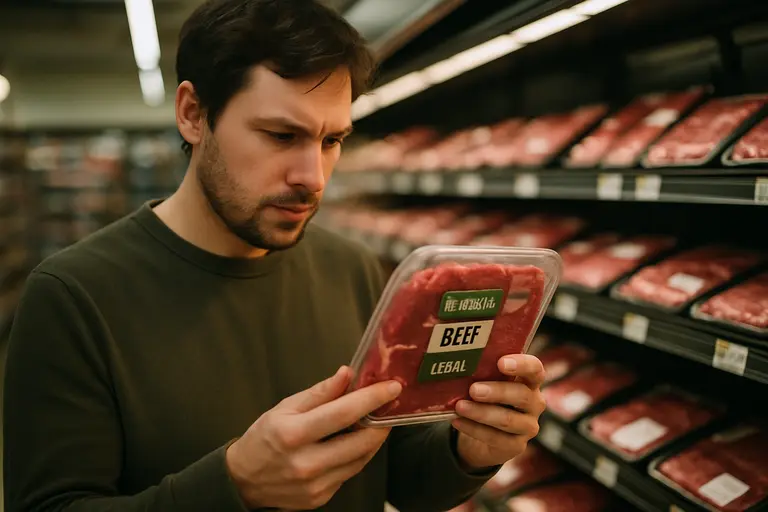
The most useful beef-sourcing language separates four steps: where the animal was raised, where it was finished, where it was processed, and where it was sold. A product can be local in one step and regional or national in another. That does not make it bad. It does mean diners should avoid assuming that one label answers every question.
For restaurants, this distinction affects menu writing. “Greene County-raised beef” is a stronger, narrower claim than “locally sourced beef” if the farm origin is verified. “North Carolina beef” is broader, and it may still be meaningful if the restaurant is transparent. “House burger” tells you almost nothing about origin unless the menu or staff adds detail.
Why Traceability Does Not Mean Unlimited Supply
Traceability is attractive because it gives diners a sense of connection. It can identify a farm, production method, or purchasing relationship. Yet traceability does not guarantee constant volume. In a county with a limited cattle inventory, a restaurant may not be able to serve every beef cut every night while staying within a local program.
This is where diners can read a menu with more patience. If the local steak sells out, that may reflect honest sourcing rather than poor planning. If the burger remains available but the steak changes, the kitchen may be buying specific cuts or batches. If a chef offers a braise, meatloaf, ragu, or broth-based dish, those preparations may help use more of the animal instead of relying only on premium cuts.
For home hosts, the same logic applies to private events. A personal chef planning a beef-centered dinner may need lead time to secure cuts, confirm origin, and design a menu around what is available rather than what sounds impressive on paper. Readers interested in exploring options for chef-driven meals might visit personal chef resources to think through service style, sourcing questions, and guest expectations.
Local Beef Sourcing In Greene County Dining
A Practical Read For The Table
Local Beef Sourcing is not a slogan that automatically means better, cheaper, or easier. In Greene County, the verified farm data points to a real livestock base, while the cattle inventory shows why supply has limits. For diners, the smartest approach is neither suspicion nor blind trust. Ask where the beef came from, which dish uses it, and how often the restaurant can get it.
Restaurants that answer plainly deserve credit for clarity. A menu that says “limited Greene County beef special” may be more honest than a broad claim spread across every beef item. A butcher who explains raised, finished, and processed locations is giving diners the tools to choose. A chef who admits that a cut changes with supply is treating sourcing as a relationship, not a marketing line.
For Montclair readers watching sourcing trends from outside North Carolina, Greene County offers a useful lesson: local food systems work best when diners understand scale. A smaller herd can support meaningful meals, but it cannot satisfy every craving at every hour. The better dining experience starts with direct questions, flexible expectations, and respect for the farms and kitchens trying to connect the two.