

For Montclair diners who read a menu closely before booking, sazón seasoning is one of the flavor signals worth watching. The reason is not just nostalgia or a single viral recipe. In data covering the 12 months ending September 2026, Tastewise reported that “sazon seasonings” was the No. 1 growing food trend in the United States among items not yet present on many restaurant menus, with a 51.9% increase in searches, orders, and related demand signals, according to Tastewise food trends. That gap between demand and menu presence is exactly where diners often start seeing new limited-time dishes, sauces, marinades, and sides.
The shift also fits a broader appetite for more specific Latin American flavor identities. In a Forbes article published on October 10, 2025, chef-restaurateurs discussing Hispanic Heritage Month described rising interest in Latin cuisine, with diners seeking more flavor, culture, and variety as restaurants present both traditional staples and new formats, according to Forbes on Latino chefs. For local diners, the practical question is simple: what will this look like on the plate, and how can you tell whether a menu is using the blend thoughtfully?
Why sazón seasoning Is Rising Now
Demand Is Moving Faster Than Menus
Food trends often appear first in home kitchens, retail searches, and social recipe habits before they become common on restaurant menus. That appears to be the case here. The research provided for this review points to strong consumer interest and slower menu adoption, which means operators can test the flavor without rewriting an entire menu. A chef can work sazón into a roast chicken special, a seafood marinade, a rice dish, or a dipping sauce before committing to a permanent entrée.
That matters because restaurants tend to be careful with new flavors. A seasoning blend can be flexible, familiar to some diners, and new to others. It can bring color, aroma, garlic-forward depth, and savory warmth without requiring guests to learn a new dining format. For a Montclair table that includes adventurous eaters and cautious ones, that kind of bridge has real value.
Specific Flavor Names Are Beating Generic Labels
One of the most interesting parts of the trend is the move away from broad menu language. Instead of simply saying “Latin-inspired” or “Tex-Mex,” menus are starting to benefit from clearer regional and ingredient cues. The research notes point to stronger growth for rooted terms, including sazón, while generic labels show less momentum. Diners increasingly want to understand whether a dish is drawing from Puerto Rican, Dominican, Caribbean, Mexican, or another culinary tradition, even if the restaurant is presenting the flavor in a new way.
That does not mean every menu mention will be traditional, and diners should not assume one seasoning blend represents every Latin American kitchen. Sazón is used differently across households, brands, and recipes. Some blends emphasize annatto color, some lean into garlic and cumin, and some are built into family cooking habits. Good menu writing should give enough context to help the guest understand the dish without reducing a culture to one word.
What Diners Should Expect Before Booking
Rice, Stews, And Home-Style Staples
The most direct place to see the blend is in dishes that already have a natural connection to home-style cooking: seasoned rice, stews, braised meats, beans, pernil-style preparations, and Caribbean or Puerto Rican-inspired plates. In these cases, sazón seasoning is not a novelty garnish. It is part of the dish’s structure, helping build color and savory flavor from the start.
For diners, the clue is in the menu description. If the dish mentions sofrito, annatto, garlic, cumin, slow-cooked pork, seasoned rice, or Caribbean-style stews, it may be drawing on a familiar flavor base. If the restaurant lists the blend by name, that can be a sign that the kitchen wants guests to notice the seasoning rather than treat it as a background ingredient.
Sauces, Rubs, And Finishing Touches
The second place diners may notice the trend is in condiments. This is where restaurants can experiment quickly: a dipping sauce for fries or yuca, a chile-lime sauce with a sazón note, a rub for grilled chicken, or a finishing dust on roasted vegetables. These applications let a kitchen add a recognizable flavor cue while keeping the main dish approachable.
That approach fits the broader move toward condiment-led menu testing. A sauce or seasoning blend is easier to trial than a new protein, and guests can decide how much intensity they want. This is especially useful in build-your-own meals, shareable plates, and casual dining formats where flavor customization is part of the appeal.
| Menu Placement | What It May Signal | Question To Ask |
|---|---|---|
| Rice or beans | A traditional-style base flavor | Is the seasoning cooked into the dish? |
| Chicken or seafood | A marinade or rub approach | Is it mild, smoky, garlicky, or spicy? |
| Dipping sauce | A lower-risk flavor test | Can the sauce be served on the side? |
| Plant-forward entrée | A way to add savory depth | What vegetables or proteins carry the seasoning? |
How Restaurants Can Test The Flavor
Limited-Time Offers Give Kitchens Room
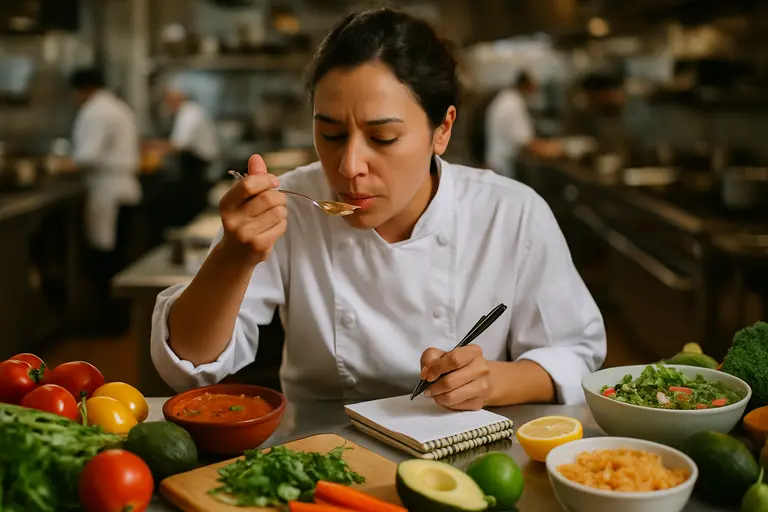
Limited-time offers are a natural path for sazón. A restaurant can introduce a weekend special, a seasonal sauce, or a rotating side and learn how guests respond. This kind of test is especially useful in towns with broad dining tastes, where one table might order classic Italian, another wants seafood, and another is looking for Caribbean comfort food.
For diners, the smart move is to read the description rather than assume the flavor profile. A menu item that says “sazón-marinated” may taste quite different from one that says “sazón aioli” or “sazón rice.” The first suggests the seasoning has had time to absorb into the protein. The second suggests a sauce application. The third points to a foundation flavor that shapes the whole plate.
Plant-Forward Dishes May Benefit Most
One practical reason chefs reach for seasoning blends is that they can help vegetables, beans, grains, and plant-based proteins feel more complete. That does not require making nutrition claims. From a dining standpoint, it simply means a well-built spice blend can bring aroma, color, and savory character to ingredients that otherwise depend heavily on sauces or fats for impact.
This is also where diners should watch for balance. If the blend is doing all the work, the dish may taste one-note. If it is paired with acidity, herbs, char, sweetness, or a cooling sauce, the result can feel more complete. For a related read on how broader restaurant ideas are showing up through ingredients and smaller menu shifts, see our note on specialty food trends.
The Rise Of sazón seasoning On Upcoming Menus
What To Ask Before You Order
A good dining experience often starts with one or two clear questions. If a menu lists sazón seasoning, ask whether it is house-blended or a commercial-style blend, whether it is used as a marinade or finish, and whether the dish leans mild, smoky, garlicky, or spicy. Those questions are practical, not fussy. They help you choose the dish that fits your taste and help the restaurant explain its approach.
- Ask whether the blend is cooked into the dish or added at the end.
- Ask if the sauce can be served on the side when the item is new to you.
- Ask what regional influence the kitchen is highlighting, if the menu does not say.
- Ask which side dishes pair well with the seasoning profile.
Private dining and chef-at-home services may also pick up this trend because seasoning blends work well in customized menus. For readers comparing restaurant meals with at-home dining options, the Personal Chef Mall is a related site in the same network that can provide insights into the kinds of menu questions worth asking before hiring a chef.
The most promising part of the rise is that it rewards clarity. Diners do not need every dish to be traditional, and restaurants do not need to force the flavor into every format. The better path is honest menu language, clear regional context where appropriate, and thoughtful use of the blend in dishes where it has a reason to be there. If the current demand signals continue after September 2026, sazón seasoning should move from an emerging cue to a more familiar menu marker, especially in rice dishes, marinades, sauces, and plant-forward plates.