

Local Wedding Menus are becoming a defining idea for couples planning 2026 receptions, especially for those who want the meal to feel connected to place, season, and family story. Around Montclair and the wider Essex County dining community, that does not have to mean a rustic theme or a narrow menu. It can mean asking a caterer where produce comes from, building a cocktail-hour station around local ingredients, or choosing a brunch reception that feels relaxed without losing polish.
The research available for 2026 wedding food points to a clear pattern: couples are paying closer attention to sustainability, personalization, and the suppliers behind the meal. Trend reporting should be read as guidance rather than a guarantee for every wedding, since menus still depend on venue rules, guest count, season, budget, and caterer capacity. Still, the direction is useful. Food is no longer treated as a separate reception detail; it is often part of the couple’s values and the way they welcome guests.
Why Local Wedding Menus Are Gaining Ground
Seasonal Sourcing As A Planning Tool
For many couples, local sourcing starts with a practical question: what will taste good during the wedding month? A spring reception may invite lighter greens and herbs, while a late-summer event can lean toward tomatoes, stone fruit, corn, and other warm-weather produce if a caterer has access to suitable suppliers. The key is flexibility. A menu written too early with fixed ingredients may need changes if weather, availability, or vendor relationships shift.
EventFlow reports that couples are prioritizing sustainable and locally sourced menus, with farm-to-table sourcing tied to fresher ingredients, reduced carbon footprints, and support for local economies EventFlow wedding catering trends. Those are broad planning themes, not a promise that every caterer can source every ingredient nearby. Couples should ask vendors to explain what “local” means in their kitchen, since some may define it by mileage, state, region, or long-standing supplier relationships.
Planning Local Wedding Menus Around Real Limits
Local Wedding Menus do not need to be all-or-nothing. A caterer may be able to feature nearby vegetables, regional cheeses, local honey, or seasonal fruit while still relying on broader suppliers for seafood, spices, coffee, chocolate, or specialty items. That balance can make the meal feel rooted without forcing the kitchen into unrealistic sourcing claims.
Couples should also think about service style. A plated dinner can spotlight seasonal ingredients with control and consistency, while a family-style meal may bring warmth to smaller receptions. Buffets can still work, but couples who care about waste should ask how quantities are estimated and what happens to surplus food within the vendor’s policies and local rules. The goal is not perfection; it is clarity before deposits are signed.
Plant-Forward Choices And Personal Stories
Vegetarian And Vegan Plates With Equal Care
One of the most welcome wedding culinary trends is the move away from treating vegetarian or vegan guests as an afterthought. EventFlow also notes that couples are including impressive vegetarian and vegan options even when most guests eat meat. For a Montclair-area reception, that might mean asking whether the caterer can create a plant-forward main dish with the same care given to the beef, chicken, or fish entree.
With Local Wedding Menus, plant-forward planning can feel especially natural. Seasonal vegetables, grains, legumes, herbs, and sauces can carry a dish without leaning on imitation products unless the couple specifically wants them. A polished vegetarian plate might also help with mixed guest lists, where some relatives expect a traditional dinner and others are looking for lighter or meatless choices.
Heritage Flavors Without Losing The Local Thread
Many couples want food that reflects family background, travel memories, or the first meals they shared together. Local sourcing can sit beside those stories rather than compete with them. A menu can use regional produce in a dish inspired by a family recipe, or a cocktail hour station can pair a cultural favorite with seasonal accompaniments.
This is where a strong caterer becomes a translator. Couples should be ready to share the emotional reason behind a dish, not only the dish name. If a grandmother’s recipe matters, say what makes it meaningful. If a travel-inspired menu is important, explain the flavor notes that stood out. A professional kitchen may need to adapt recipes for scale, timing, and venue equipment, so the conversation should happen early.
Experiential Stations For A More Personal Reception
Food Stations That Tell Guests Something
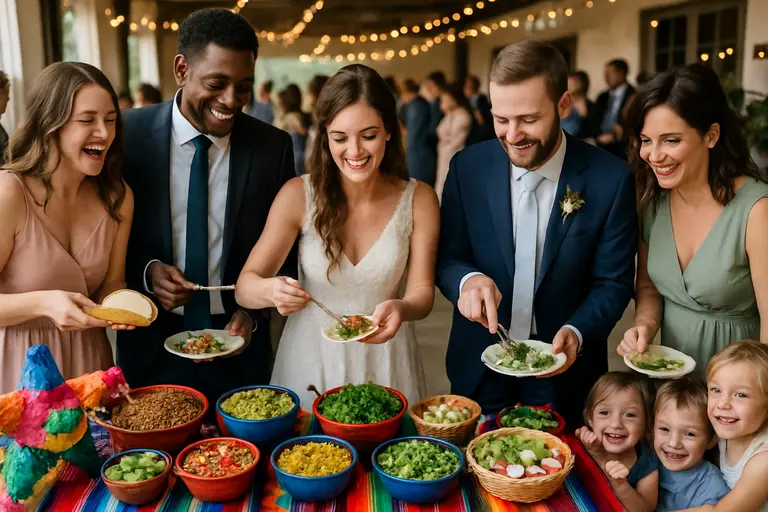
Experiential dining is also shaping 2026 receptions. Dining and Cooking, reporting on Vibrant Occasions’ trend analysis, describes interactive food presentations, chef-driven stations, and personalized storytelling menus as part of the move beyond traditional buffet formats Dining and Cooking trend report. The useful takeaway is not that every wedding needs a dramatic station. It is that guests often remember food when it feels specific.
A station can be simple and still meaningful: a seasonal salad bar built around nearby produce, a late-night snack tied to the couple’s hometowns, or a chef-attended pasta, carving, or dessert station if the venue and budget allow. For Local Wedding Menus, the storytelling should stay honest. If ingredients come from a named farm or supplier, confirm that the caterer is comfortable identifying them. If sourcing is regional but not farm-specific, keep the wording broad.
Brunch Receptions And Smaller Guest Counts
Brunch weddings and smaller celebrations both fit naturally with the local sourcing trend, though the available research here is more directional than precise. A daytime reception can create room for seasonal fruit, baked goods, egg dishes, salads, coffee service, and lighter cocktails. It may also help couples design a menu that feels generous without copying the structure of a formal evening dinner.
Micro-weddings and intimate receptions can also shift the budget conversation. A smaller guest count may allow couples to invest more in a multi-course menu, wine pairings, or a focused local ingredient feature. That does not automatically make the event less expensive, but it can change where the money goes. Couples should ask for itemized proposals so they can compare service labor, rentals, staffing, bar packages, and food costs separately.
Questions To Ask Before Booking The Caterer
Supplier, Season, And Service Questions
Before choosing a caterer, couples should prepare direct questions. Clear answers help prevent disappointment later, especially if local sourcing is central to the reception plan.
- How do you define local sourcing for wedding menus?
- Which ingredients are most realistic for our wedding month?
- Can you name farms, makers, or suppliers, or do you describe sourcing by region?
- What plant-forward entree can be served with the same attention as the meat or seafood option?
- How do you handle menu changes if an ingredient is unavailable?
- What service style works best for our venue, guest count, and timing?
- How do you plan quantities to reduce excess food while still serving guests comfortably?
Local Wedding Menus give couples a way to make the reception meal feel connected to community without turning dinner into a lecture. For Montclair readers comparing venues, caterers, cafes, and private dining ideas, it can help to follow local food coverage and nearby restaurant conversations; the team behind Hudson Street Cafe is part of the same local dining network. The smartest planning move is to pair inspiration with verification: ask what is available, what is realistic, and how the caterer will communicate changes before the wedding day arrives.