

In the middle of August, when the New Jersey heat is still lingering but the evening breezes start to hint at the coming fall, our cravings naturally shift. We want meals that feel bright, clean, and energizing. Traditional Mediterranean food represents more than just a specific menu; it is an entirely different approach to eating. It relies on absolute simplicity, peak-season ingredients, and an abundance of fresh herbs rather than heavy, complicated sauces.
The nutrition experts at the Harvard T.H. Chan School of Public Health praise the Mediterranean diet for its incredible heart-health benefits, but as a chef, I love it simply because it tastes vibrant. When you start with beautiful produce and pristine seafood, the kitchen’s only job is to stay out of the way and let those natural flavors shine.
The Foundation of Liquid Gold
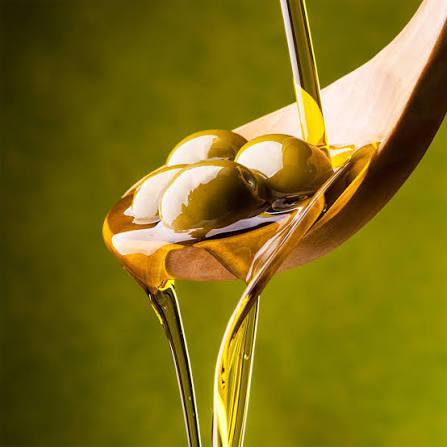
You cannot cook authentic coastal cuisine without respecting the olive. Extra virgin olive oil is the absolute foundation of the Mediterranean kitchen. We use it not just as a cooking fat, but as a vital finishing seasoning that brings a grassy, peppery bite to everything from fresh salads to roasted fish.
The culinary team at Epicurious breaks down the nuances of tasting olive oil, explaining how a high-quality, cold-pressed oil fundamentally transforms a simple dish. Whether we are drizzling it over a plate of creamy hummus, tossing it with ripe heirloom tomatoes, or using it to blister a wood-fired flatbread, that liquid gold ties the entire flavor profile together. It provides a luxurious mouthfeel without the heavy, lethargic aftermath of processed butter.
The Coastal Catch and Bright Acidity
When you look at the shores of Greece, Italy, and southern France, the ocean dictates the daily menu. Traditional Mediterranean food elevates fresh seafood by keeping the preparation remarkably simple. We take a beautiful piece of branzino, grilled octopus, or wild-caught salmon and pair it with nothing more than roasted garlic, fresh dill, and a heavy squeeze of bright lemon.
The food editors at Food & Wine highlight traditional coastal cooking techniques, noting that high acidity from citrus acts as a natural flavor enhancer. The sharp lemon juice cuts right through the rich, natural fats of the fish. You taste the clean, cold ocean water instead of a heavy, masked cream sauce.
| The Core Ingredient | The Flavor Contribution | The Classic Application |
| Extra Virgin Olive Oil | Grassy, peppery, and rich. | Drizzled generously over fresh burrata or hummus. |
| Fresh Citrus (Lemon) | Bright, sharp acidity. | Squeezed over grilled branzino or roasted vegetables. |
| Fresh Herbs (Oregano/Dill) | Earthy, aromatic, and clean. | Blended into a vibrant marinade or tossed in a Greek salad. |
The Culture of the Shared Table
Beyond the raw ingredients, this culinary tradition focuses heavily on how the meal is actually eaten. The Mediterranean coast champions the mezze style of dining—filling the center of the table with small, shareable plates of whipped feta, charred eggplant, warm pita, and marinated olives. It forces you to slow down, pass plates to your neighbors, and engage in genuine conversation.
Reading about Demetri Malki reveals an owner who built our entire hospitality philosophy around this exact concept of community dining. We want your table to feel like a lively family gathering in a coastal European taverna, where the food sparks joy and connection.
Before the summer completely fades into autumn, come join us for a meal that celebrates the beauty of the coast. Grab a chilled glass of white wine, order a few shared plates for the table, and experience the timeless comfort of traditional Mediterranean food right here in Essex County.