

Seasonal Menus Chicago have become one of the clearest ways to see how local farms are changing dinner in the city. Rather than treating produce as a static ingredient list, some Chicago restaurants now build meals around what arrived from growers that week, what handled the weather well, and what farmers can supply at peak quality. For diners, that means a reservation may feel less like ordering from a fixed script and more like entering a conversation between the kitchen, the market, and the growing season.
That idea has plenty of appeal for food lovers far beyond Illinois. From my Montclair perspective, I see the Chicago examples as useful signals for anyone who cares about community dining: local sourcing works best when it is clear, specific, and tied to real relationships. It is not enough for a menu to say “seasonal.” Diners deserve to know what that seasonality may mean for choice, price, substitutions, and the rhythm of the meal.
What Seasonal Menus Chicago Diners Are Seeing
Feld As A Clear Case Study
One of the most concrete examples is Feld in West Town, described as a relationship-to-table restaurant. Reporting from the Chicago Sun-Times report said Feld changes roughly 40% of its weekly menu based on farmers market finds or back-door deliveries, with about 95% of ingredients sourced from Illinois, Michigan, Wisconsin, and Indiana. Those figures matter because they show that seasonality is not a light garnish or a marketing phrase. It can shape a large share of what a guest actually eats.
Seasonal Menus Chicago diners encounter at restaurants like this can reward flexibility. A dish may shift because a farmer delivered a different green, a fruit ripened faster than expected, or a harvest came in smaller than planned. That can be thrilling for curious diners, but it also asks guests to approach the meal with realistic expectations. If a restaurant is serious about local sourcing, the menu may not read the same from one week to the next.
Market Timing Drives The Plate
Chicago’s farmers markets also help explain why chefs respond so directly to the calendar. Eater Chicago reported that chefs look to winter greens such as spinach and kale after frost, while spring alliums, including ramps and chive blossoms, can prompt new menu ideas; the same reporting named farms such as Nichols Farm, Mick Klüg Farm, Ellis Family Farms, and Iron Creek Farm among market sources chefs discuss Eater Chicago farmers market reporting. The lesson for diners is simple: seasonality is not just summer tomatoes. Cold weather, thawing soil, and shoulder-season crops can all steer a kitchen.
That market timing affects texture and tone. A winter plate built around hardy greens may feel earthy and concentrated. A spring dish shaped by alliums can feel sharper and more aromatic. A late-summer menu often has a different kind of generosity, with fruiting vegetables and stone fruit arriving close together. The farm calendar gives chefs creative limits, and those limits can lead to meals that feel more connected to time and place.
How Local Farms Shape The Meal
Relationships Matter More Than Buzzwords
The strongest local-farm menus tend to make producer relationships visible without turning the meal into homework. A farm name on a menu can be helpful, but the deeper question is whether the kitchen is actually adjusting to that farm’s output. Feld’s reported pattern of weekly menu change is a useful marker because it points to real dependence on producer supply. If a restaurant claims farm sourcing yet keeps every dish fixed for long stretches, diners may want to ask what parts of the menu are truly seasonal.
This is where the broader conversation connects with neighborhood dining everywhere. A good seasonal restaurant does not need to lecture guests. It can share just enough: the farm, the ingredient, the reason it is on the plate now, and whether substitutions are likely. For readers comparing sourcing language across restaurants, our related piece on local sourcing resilience looks at how diners can read those claims without romanticizing supply chains.
Seasonal Menus Chicago Questions Before Booking
Seasonal Menus Chicago can be especially rewarding when diners ask the right questions before reserving. This is not about grilling a host or demanding a full supply-chain briefing. It is about matching the meal to the occasion. A birthday dinner with selective eaters may need different planning than a chef’s-counter experience where surprise is part of the fun.
- Ask whether the menu is fixed, tasting-menu only, à la carte, or partly flexible.
- Ask how often the restaurant changes dishes based on farm deliveries.
- Ask how the kitchen handles allergies, dietary needs, or disliked ingredients on a changing menu.
- Ask whether farm names on the menu refer to core ingredients or occasional specials.
- Ask whether a sample menu reflects the current week or only the restaurant’s general style.
Those questions keep expectations friendly and clear. A restaurant that changes often may not be able to promise a specific vegetable or preparation. On the other hand, it should be able to explain the format of the meal and how much flexibility guests have once they sit down.
What Diners Can Expect At The Table
Menus May Shift Between Reservation And Arrival
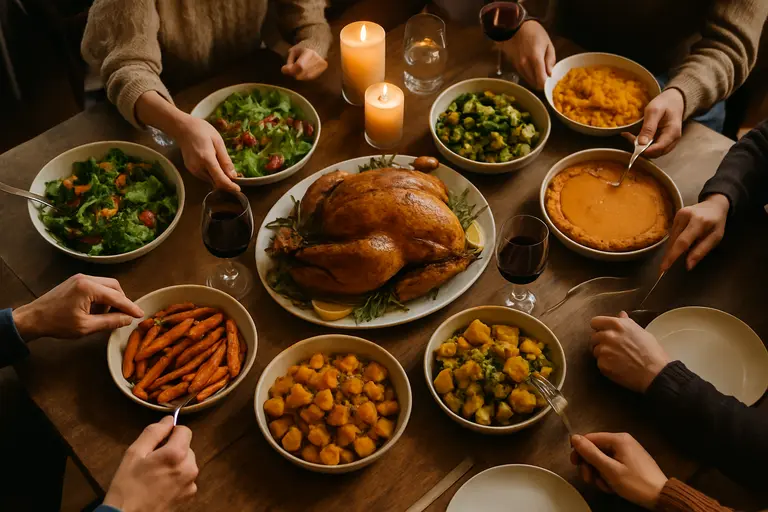
For diners used to previewing every dish online, serious seasonality can feel like a change in control. A menu posted earlier in the week might be a guide rather than a contract. That does not make the restaurant careless; it may mean the kitchen is honoring what came in from farms after the menu was drafted. The practical move is to treat online menus as snapshots and confirm details directly if a dish, ingredient, or dietary need is central to the visit.
There is also a service benefit when restaurants explain change well. If a server can say why a salad now features a different green, or why a fruit moved from dessert to a savory course, the meal becomes easier to understand. Diners do not need a speech. A sentence or two can connect the plate to the farm and help the table appreciate why the dish tastes the way it does.
Local Does Not Always Mean Simple
Local sourcing is sometimes described as rustic, but Chicago’s farm-driven cooking shows that it can also be precise, ambitious, and highly technical. A chef working with a narrow seasonal window may preserve, ferment, cure, dry, or pair ingredients in unexpected ways to extend flavor without pretending that every crop is available all the time. That is not automatically better than a traditional menu, but it is a different dining promise.
For a community-minded reader, that promise is appealing because it links dinner to growers, regional weather, and the labor behind the plate. It can also make the meal less predictable. If you are booking for a group, especially one with firm preferences, clarity matters. If you are booking for adventurous diners, the changing menu may be the point.
Readers who enjoy discovering neighborhood dining experiences similar to those found in Chicago might appreciate visiting Hudson Street Cafe, a related site in the same network that provides more insights into local dining scenes.
What Seasonal Menus Chicago Mean For Diners
Seasonal Menus Chicago show how much a restaurant can change when farms move from background supplier to creative partner. The strongest examples are not vague about “freshness.” They give diners clues: farm names, shifting dishes, market-driven substitutions, and staff who can explain why a plate looks different from last week’s version.
For anyone planning a meal around this style of dining, the best approach is open-minded but prepared. Read the menu, then treat it as a living document. Ask practical questions before booking. Share dietary needs early. Expect changes. And if the restaurant is doing the work honestly, those changes can make dinner feel more connected to the season, the region, and the people who grew what is on the table.