
Italy was a pioneer in farm-to-table dining long before it became popular. It’s not just a modern trend. It’s a way of life that your nonna would have followed.
Italy’s varied landscapes, from Tuscan vineyards to Sicilian orchards, made it perfect for fresh, local ingredients. Each region’s unique identity is reflected in its food. That’s why pesto made with Ligurian basil tastes so much better.
This bond between land and food is more than just a concept. It’s what you eat for dinner. For more on Italy’s food traditions, check out this analysis of authentic Italian food traditions.
It’s like a tasty history lesson, with snacks that are actually worth eating.
Sourcing Nationwide and Locally
Exploring Italy’s farm-to-table scene shows a unique mix. ‘Local’ can mean different things here. Chefs work hard to mix local flavors with the need for a wide reach.
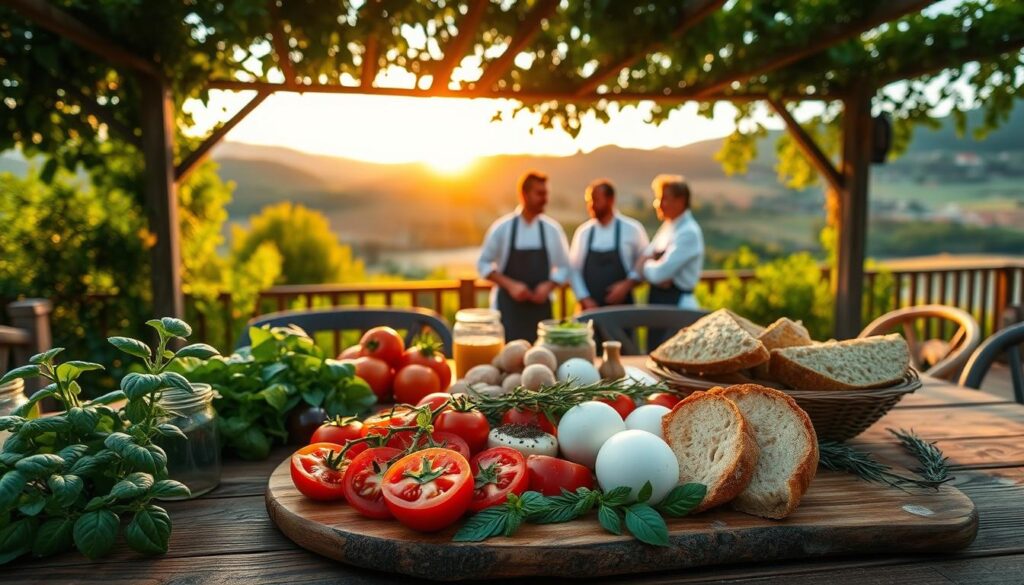
The farm-to-table movement has changed Italy’s food world. Now, small organic farmers get more support. They keep biodiversity and old ways alive.
Farmers markets and ‘sagre’ food festivals highlight local foods. But, a restaurant in Piedmont might use olive oil from Puglia. This shows how ‘local’ can be flexible.
The Slow Food movement’s goals are tested in real life. Artisanal cheese can be pricey, even more than flights to Rome. This shows the real cost of sustainable italian dining.
Chefs deal with complex supply chains with skill. Sardinian bottarga ends up in Milan through smart networks. This is a new take on Italian food tradition.
In today’s Italian kitchens, tradition meets modern solutions. This mix creates a dining experience that respects the past but also looks to the future. This balance is what makes sustainable italian dining special today.
| Sourcing Method | Regional Focus | Cost Impact | Authenticity Score |
|---|---|---|---|
| Hyper-Local (25km radius) | Extremely High | +35% Menu Prices | 10/10 |
| Regional Network | High | +20% Menu Prices | 8/10 |
| Nationwide Artisanal | Moderate | +15% Menu Prices | 7/10 |
| Mixed Approach | Variable | +25% Menu Prices | 9/10 |
The table shows the choices chefs make every day. Each method has its own balance of authenticity and practicality. The mixed approach often gives the best dining experience.
This way of sourcing is the new face of Italian food. It keeps tradition alive while meeting today’s culinary needs. This makes sustainable italian dining more accessible yet true to its roots.
Sample Dishes & Wine Pairings
Let’s dive into the heart of the matter. How do local ingredients Italian chefs turn simple ingredients into art? It’s not just cooking. It’s a magical process where every dish tells a story of its place.
Spring’s risotto primavera is a perfect example. Made with rice from Piedmont’s plains, it’s mixed with fresh asparagus and peas. This dish is not just green; it’s verdant. The creamy texture feels like morning dew on grass.
When it comes to wine pairings, logic is key. The risotto needs Verdicchio from Marche. Why? The wine’s acidity cuts through the dish’s richness, echoing the soil where the vegetables grew. It’s a perfect match.
In autumn, Tuscan forests give us chestnut soup. It’s earthy and smoky, with hints of wild mushrooms. You might think red wine is the best choice. But, pair it with Vernaccia di San Gimignano. The crisp white wine contrasts the soup’s density, sharing the same Tuscan sun.
Summer’s tomato basil pasta is a classic. It’s best paired with Sangiovese from nearby vineyards. The wine’s cherry notes enhance the tomatoes’ sweetness, while its tannins refresh your palate. They’re like culinary twins, born from the same earth.
Winter’s slow-cooked meats find their perfect match in Barolo. Both are patient and complex. Both are like a warm hug on a cold day.
This isn’t just about matching flavors. It’s about the earth’s connection. The soil that grows grapes also grows food. It’s not just pairing; it’s a homecoming.
Chef Relationships with Producers
Ever wonder why some Italian restaurants taste like they teleported you straight to Tuscany? Others taste like they stopped at Olive Garden. The secret isn’t in the sauce—it’s in the text messages. I’ve seen chefs negotiating with artisanal cheesemakers like they’re brokering peace treaties, complete with emergency 6 AM calls about zucchini blossom availability.
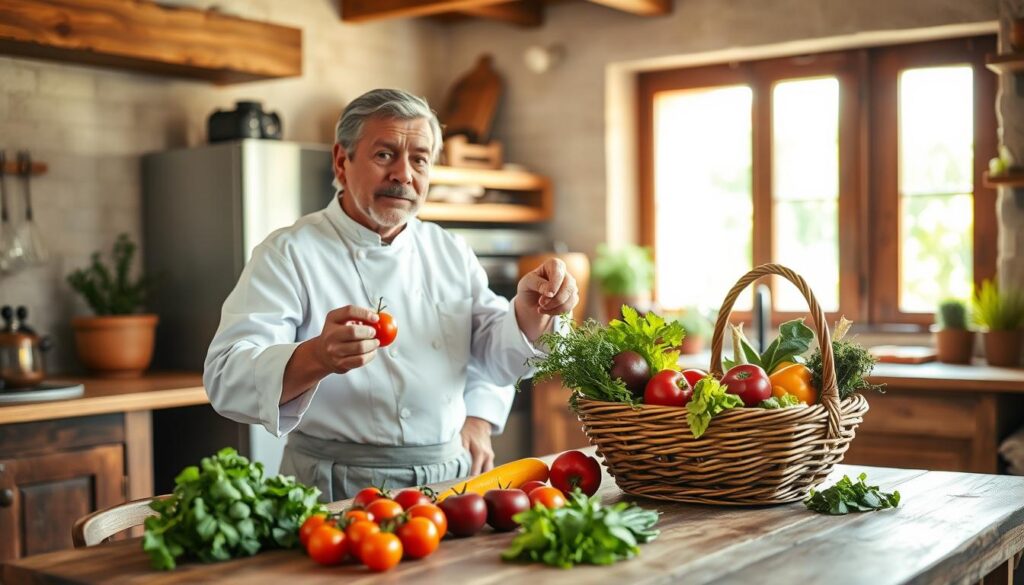
These culinary alliances transform menus from generic to geographic masterpieces. When a chef knows the farmer who grew their tomatoes personally, those tomatoes actually taste like something. They carry the terroir of their origin, the care of their cultivation, and the story of their journey from soil to plate.
This isn’t just sourcing—it’s culinary diplomacy. The best Italian chefs treat their producer relationships like precious family recipes, handed down through generations. They visit farms, understand growing seasons, and sometimes even influence crop selection. The result? Ingredients so fresh they practically introduce themselves.
This deep collaboration creates a food system that’s remarkably transparent, equitable, and sustainable. Menus now read like love letters to local producers, proudly listing ingredient provenance like fine wine labels. Your chef’s Instagram follow list? Basically a farmers market directory with better photography.
The magic happens in the trust built over decades of collaboration. When a chef commits to a producer’s entire harvest, that producer can focus on quality over quantity. They can practice traditional methods, avoid pesticides, and prioritize flavor above all else. It’s the difference between food that feeds you and food that remembers you.
This symbiotic relationship represents the heart of true sustainable italian dining. It’s not just about organic labels or buzzwords—it’s about creating a culinary ecosystem where everyone from soil to table thrives. The best meals don’t just come from kitchens; they come from relationships.
Spotlight on Italian Markets
Italian markets are more than places to buy food. They are live shows where the farm-to-table idea comes to life every day. You’ll see Roman grandmothers expertly navigating through crowds to find the best San Marzano tomatoes. These bustling markets are like living museums, each stall sharing a story of local ingredients italian chefs cherish.
During harvest seasons, markets become the heart of the community. Italy’s agricultural calendar is filled with events where people help pick grapes, olives, or saffron. It’s not just shopping; it’s joining a tradition of sustainable italian dining that supports local farmers.
These markets show that the essence of Italian food isn’t about fancy settings. It’s about the real connection between the earth and our plates. In these lively, genuine places, food culture thrives, and sometimes, even debates about olive oil quality happen.