

The shrimp sourcing law in Georgia changed the way restaurants must talk about one of the state’s most familiar coastal foods. House Bill 117 took effect on July 1, 2026, and it requires most Georgia restaurants serving shrimp to disclose whether that shrimp is foreign imported. For Montclair diners who travel south, book coastal vacations, or simply care about how restaurant menus describe seafood, the rule offers a useful case study in how sourcing language can shape trust at the table.
This is not a review of one restaurant, and it should not be read as a ranking of local versus imported shrimp. The practical question is simpler: what will diners see, what does the wording mean, and what should people ask before ordering? Georgia Public Broadcasting reported that HB 117 requires restaurants, except those operated by state agencies, to post shrimp-origin information on menus or signs visible to the public, with the goal of increasing consumer transparency and supporting Georgia’s local shrimping industry Georgia Public Broadcasting.
Georgia Shrimp Sourcing Law Basics
Shrimp Sourcing Law Requirements
The shrimp sourcing law is built around disclosure, not a ban. Restaurants may still serve imported shrimp, but the law requires them to tell diners when shrimp is foreign imported. The disclosure can appear directly on a menu or on a sign visible to the public. That detail matters because the law does not require a single wording style or a chef’s explanation at the table; it requires a visible statement that lets diners understand whether the shrimp came from outside the United States.
The exemption is narrow in the reporting available so far: restaurants operated by state agencies are not covered. For everyone else in Georgia serving shrimp, the rule applies. Diners should not expect every menu to look identical. Some restaurants may choose a brief menu note, while others may use posted signage. Either format can be practical if it is easy to see and clear enough for a guest to understand before ordering.
Shrimp Sourcing Law Timeline
The date sequence is one of the most useful parts for diners to know. HB 117 became active on July 1, 2026, but enforcement was delayed. The Current reported that restaurants have a grace period before being held accountable in January 2027 The Current. That means a diner visiting Georgia in late August 2026 could encounter a restaurant that had not yet updated its menu or signage, even though the law had already taken effect.
As of mid-August 2026, reporting indicated that many Georgia coastal restaurants had not yet made visible changes, often pointing to the January 2027 enforcement date. That does not give diners a complete picture of every restaurant, and it would be unfair to assume noncompliance from one menu glance during the grace period. A direct, polite question remains the clearest way to understand what is being served.
What Diners May See On Menus
Menu Notes And Posted Signs
For a diner, the most noticeable change may be a short line beneath a shrimp dish, a menu footer, or a sign near the host stand. The language may state that shrimp is foreign imported, or it may distinguish imported shrimp from domestic shrimp if a restaurant uses more than one source. Because the reporting describes the requirement as a disclosure of whether shrimp is foreign imported, diners should read the exact wording rather than assuming that “coastal,” “dockside,” or “Southern” menu language means local catch.
That distinction is central to the dining experience. Restaurant atmosphere can suggest one thing, while supply chains may show another. A seafood plate eaten near the water can feel local even when the shrimp came from elsewhere. The law attempts to reduce that gap between feeling and fact. For diners who enjoy coastal food culture, the added wording may make a menu less romantic, but more honest.
What A Label Does Not Say
The shrimp sourcing law does not, based on the reporting provided, grade taste, freshness, sustainability, preparation quality, or value. It tells diners whether shrimp is foreign imported. That is useful, but it is not the whole dining decision. A well-cooked dish can use imported shrimp, and a domestic product can still be poorly handled in the kitchen. The label is a starting point for a conversation, not a full restaurant review.
For diners who care about local sourcing, the best question is specific: “Is the shrimp in this dish domestic or foreign imported?” If the answer is domestic, a follow-up question could ask whether the shrimp is from Georgia or another U.S. source. If the answer is imported, diners can decide whether price, preparation, setting, or personal preference still makes the dish appealing.
Why The Rule Matters To Seafood Culture
Local Catch, Imports, And Price Pressure
Restaurant sourcing rarely turns on sentiment alone. Reporting on HB 117 notes that imported shrimp, including shrimp from places such as Ecuador, can be cheaper, especially for large orders. That price difference helps explain why restaurants may depend on imported product even in a state with a local shrimping industry. For owners, shrimp pricing can affect menu prices, portions, and whether a dish remains profitable.
For diners, that tradeoff is worth understanding before judging a menu. A restaurant that serves imported shrimp may be trying to keep a familiar dish within reach for customers. A restaurant that serves local or domestic shrimp may face different costs and supply limits. Neither fact tells the entire story of hospitality, but both shape what appears on the plate.
What Tests Found In Coastal Markets
The public debate around the law was sharpened by DNA testing cited in the reporting. In 2025, tests of shrimp from 44 restaurants around Savannah, Tybee Island, and Port Wentworth found that only 10 of 47 samples were American species. In the Golden Isles area, including Darien, Jekyll Island, St. Simons Island, and Brunswick, 43 of 44 samples were wild-caught U.S. shrimp. Those results show why broad assumptions can mislead diners. One coastal area may not reflect another, and one restaurant’s sourcing may not represent its neighbors.
That uneven picture is familiar to anyone who reads menus closely. Food culture is local, but supply is often regional, national, or global. In Montclair, where diners move between neighborhood restaurants, home entertaining, and travel dining, seafood sourcing questions are part of a larger shift toward menu literacy. People want to know not just what a dish is called, but how it came to be on the table.
Questions To Ask Before Ordering
For Travelers From Montclair
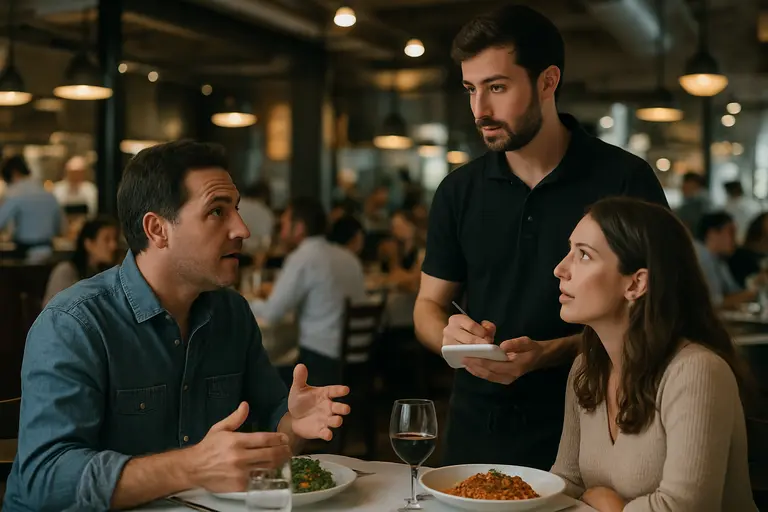
If you are traveling from Montclair to Georgia after July 1, 2026, read shrimp menu descriptions with care. Before January 2027, the grace period may mean that some menus are still being revised. After enforcement begins, diners should expect clearer public disclosure in covered Georgia restaurants. Either way, a calm question to a server is appropriate, especially if the menu language is broad or scenic rather than specific.
- Ask whether the shrimp in the dish is foreign imported or domestic.
- If domestic sourcing matters to you, ask whether it is from Georgia or another U.S. source.
- Look for menu footers, posted signs, or item-level notes before ordering.
- Remember that the label speaks to origin, not cooking skill or flavor.
The same thinking applies to private dining. If a host wants a seafood dinner with clear sourcing expectations, the question should be raised before the menu is set. For readers exploring in-home dining options and chef-service planning, Personal Chef Mall offers related resources in this network for considering chef services and menu conversations.
For Hosts And Group Meals
Group dining adds another layer. One guest may care deeply about local shrimp, another may care most about price, and another may simply want a classic fried or grilled preparation. The clearest approach is to ask the restaurant how shrimp sourcing is disclosed and then share that information with the group. That keeps the decision practical rather than symbolic.
For restaurants, transparency can also reduce awkwardness. If the shrimp is imported, saying so plainly allows the kitchen to stand on preparation, hospitality, and price. If the shrimp is domestic or Georgia sourced, the restaurant can let that fact speak without overpromising. Diners tend to respond better to straight answers than to vague menu language.
Shrimp Sourcing Law Choices For Diners
The shrimp sourcing law gives diners one more tool for reading a menu. It does not settle debates about taste, value, local industry, or restaurant economics, but it makes one key fact more visible. As of August 25, 2026, HB 117 had already taken effect, while enforcement was still set for January 2027. That timing explains why diners may see uneven menu updates during the transition.
The best dining response is not suspicion; it is attention. Read the menu, look for signage, ask a direct question, and weigh the answer against the meal you want. For Montclair readers, Georgia’s law is also a reminder that seafood culture depends on more than what appears in a dish description. Origin, cost, seasonality, and kitchen choices all meet on the plate, and a good meal starts with knowing which of those factors matter most to you.