
The word “pub” suffers from severe dilution in the American dining vernacular. Operators use it as a blanket excuse for sticky floors, neglected fryers, and menus entirely lacking ambition. A genuine European pub—a true public house—operates on an entirely different frequency. It acts as the social anchor of a community, a space demanding serious culinary technique presented without elitist pretense.
As a chef analyzing the industry, I respect operators who grasp this exact distinction. Building this concept requires a highly intelligent balancing act. You deliver the warmth of a neighborhood tavern and execute at the operational level of a fine dining room. When you study the hospitality philosophy of Demetri Malki at De Novo, you witness a masterclass in this exact discipline.
The Culinary Foundation Beyond the Fryer
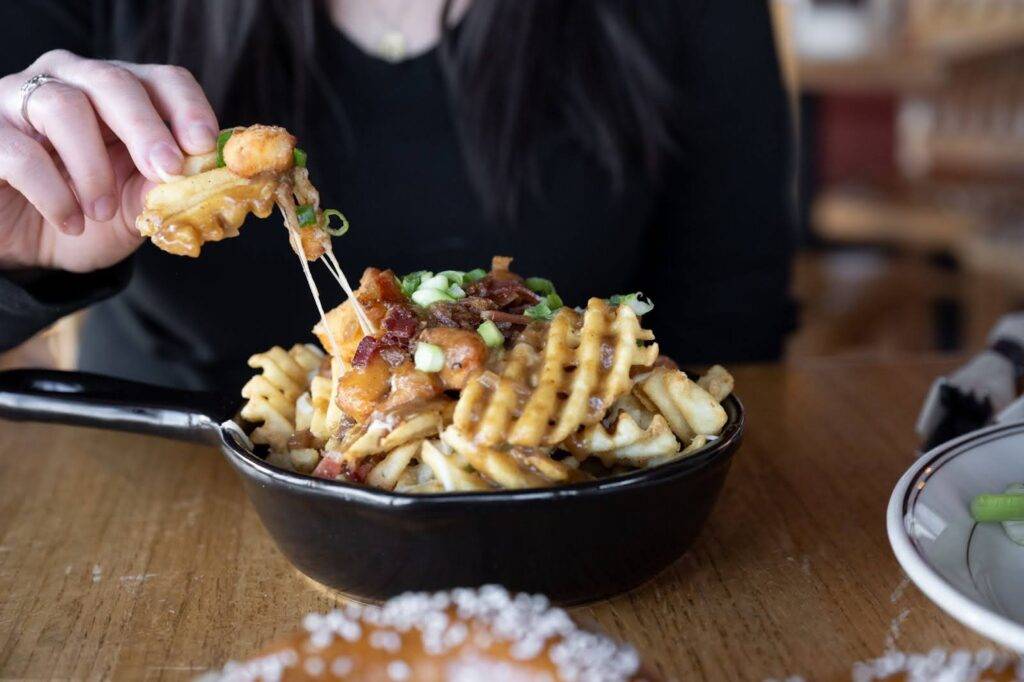
A standard tavern hides poor sourcing behind the deep fryer. A European pub builds its menu on the bedrock of classical technique. The kitchen prioritizes heavy, time-intensive braises, house-made pastas, and proteins requiring strict thermal discipline. When a plate hits the table, it must provide comfort and command absolute respect.
The presence of a slow-cooked short rib or a perfectly emulsified mushroom pappardelle signals immediate kitchen maturity. These dishes require a strict command of starch hydration and protein breakdown. For an analytical look at the structural mechanics of slow-cooked meats, this guide to the science of braising perfectly explains why collagen breakdown is non-negotiable for achieving a luxurious, mouth-coating texture.
This dedication to from-scratch preparation extends to every station. It is exactly why, when compiling our Montclair restaurant reviews, we heavily favor establishments that refuse to take lazy shortcuts with their foundational ingredients.
| The Dining Metric | The Standard American Tavern | The European Pub Standard |
| Menu Architecture | Relies on frozen, pre-breaded items and rapid fry-station execution. | Prioritizes slow-cooking techniques, house-made starches, and curated charcuterie. |
| Pacing & Flow | Transactional and rushed; designed for rapid table turnover. | Leisurely and conversational; encourages lingering over shared boards and composed dishes. |
| Protein Execution | Overcooked burgers heavily masked by sugary commercial sauces. | Precision-seared cuts relying on the Maillard reaction and highly refined pan reductions. |
Spatial Dynamics and Historic Roots
Atmosphere dictates expectation long before the host hands you a menu. You cannot manufacture a true European pub inside a sterile, modern strip mall. It requires soul, weight, and a sense of permanence. The architecture must bridge the gap between industrial utility and domestic warmth.
Housing De Novo within the historic infrastructure of the town represents a brilliant operational decision. The heavy masonry, soaring ceilings, and reclaimed wood instantly ground the diner. By studying the history of the Upper Montclair Train Station, you realize the building originally functioned as a community gateway. Repurposing historical architecture provides a psychological weight that synthetic builds simply cannot replicate. To grasp the impact this has on urban socializing, the National Trust for Historic Preservation’s guidelines on adaptive reuse details how maintaining old transit hubs amplifies the social value of a space.
The Beverage Program: Precision Over Volume
The final defining characteristic of a genuine European pub is its beverage program. Many American bars equate a good drink list with sheer volume—thirty uncurated beers on tap and a massive, confusing wine list. A European pub operates on the principle of strict curation.
The by-the-glass wine list acts as a surgical tool, designed specifically to cut through the heavy fats of the kitchen’s braised meats and rich dairy. The cocktail program leans heavily on botanical spirits, dry vermouths, and bitter amari, stimulating the appetite rather than flooding the palate with sugar. This reliance on high-acid, structured beverages is a calculated move to prevent diner fatigue. This breakdown of pairing acidity and fat illustrates why a sharp, dry pour is a mandatory accompaniment to European comfort food.
At its core, a European pub is a promise of uncompromising hospitality. It is a venue that respects your time, your palate, and your need for genuine connection. When you walk through those heavy doors, you are not just grabbing a quick bite. You are participating in a highly refined, deeply comforting culinary tradition that demands the best from both the kitchen and the bar.