

By Chef Don Leslie | April 23, 2026
As a chef, I have seen countless restaurant trends come and go. I have watched owners chase dietary fads, compromise their menus for mass appeal, and dilute their cultural heritage to appease a timid dining public. So, when I walk into a restaurant that operates with absolute, unyielding integrity, it commands my immediate respect. Just down the road from us on Park Street, Chef Ilson Gonçalves is running a masterclass in culinary conviction at Samba Montclair.
Since opening in 2010 as a humble neighborhood deli, Samba has evolved into an essential anchor of the local dining scene. Gonçalves has built a space that pays homage to his mother’s kitchen in Blumenau, Brazil, without ever feeling like a manufactured theme park. It is a restaurant born of memory, refined by serious technique, and driven by an uncompromising commitment to hospitality. When we evaluate the broader landscape in our Montclair restaurant reviews, Samba stands apart because it refuses to be anything other than exactly what it is.
The Architecture of a Gluten-Free Haven
There is a profound difference between a restaurant offering a gluten-free menu to capture a market share and a restaurant operating completely gluten-free out of medical necessity. In 2020, Chef Gonçalves was diagnosed with celiac disease. Instead of stepping away from the pass, he systematically removed every trace of gluten from his kitchen. His philosophy is simple and irrefutable: if the chef cannot eat it, it does not belong on the menu.
Samba is the only restaurant in New Jersey fully certified by the Gluten Intolerance Group (GIG). This is not merely a marketing badge; it requires rigorous operational intelligence. Cross-contamination in a busy commercial kitchen is notoriously difficult to prevent. By eliminating gluten entirely, Samba provides a desperately needed safe haven for diners with celiac disease. For those interested in the stringent protocols required for this level of safety, this GIG guide to restaurant certification explains the exacting standards a kitchen must maintain to protect its patrons.
Structurally, this pivot forced the kitchen to lean into traditional Brazilian ingredients that naturally avoid wheat. The Pão de Queijo (cheese bread) is a brilliant example. By utilizing fermented cassava flour (tapioca) instead of traditional wheat flour, the bread achieves a perfectly crisp exterior that yields to a porous, incredibly airy, and chewy crumb. For those fascinated by the chemistry of this unique bake, this Serious Eats breakdown of Pão de Queijo details exactly how tapioca starch gelatinizes to create that signature texture.
Elevating the Root: The Mechanics of Cassava
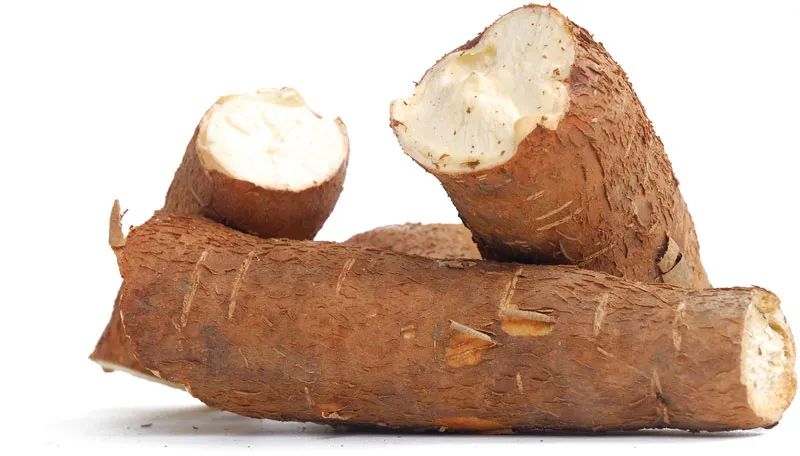
Cassava, known as yuca or mandioca in Brazil, is a foundational carbohydrate in South American cooking. In lesser hands, it can become heavy or gluey. At Samba, it is treated with a profound level of technical respect. The kitchen’s Gnocchi à Primavera replaces standard potato and flour with house-made yuca dough. The result is a dumpling that possesses a delicate, tender bite without the heavy starchiness that often weighs down traditional Italian gnocchi.
The mastery of this root vegetable extends to their appetizers. The Bolinho de Mandioca—a yuca pastry filled with dried beef and butternut squash—is an exercise in textural contrast. Achieving a greaseless fry on a dense starch requires strict thermal discipline in the fryers, an operational standard we hold dear when studying expert kitchen execution and culinary mechanics. The exterior crust shatters perfectly, protecting the deeply savory, moisture-rich filling inside.
Decoding the Feijoada: A Masterclass in Braising
You cannot discuss Brazilian cuisine without analyzing its national dish, and the Feijoada served at Samba on weekends is an absolute triumph of slow-cooking. This black bean and pork stew is not a dish that can be rushed. It requires low, sustained heat to allow the collagen in the various cuts of pork to break down into gelatin, creating a luxurious, mouth-coating viscosity that thickens the bean broth naturally.
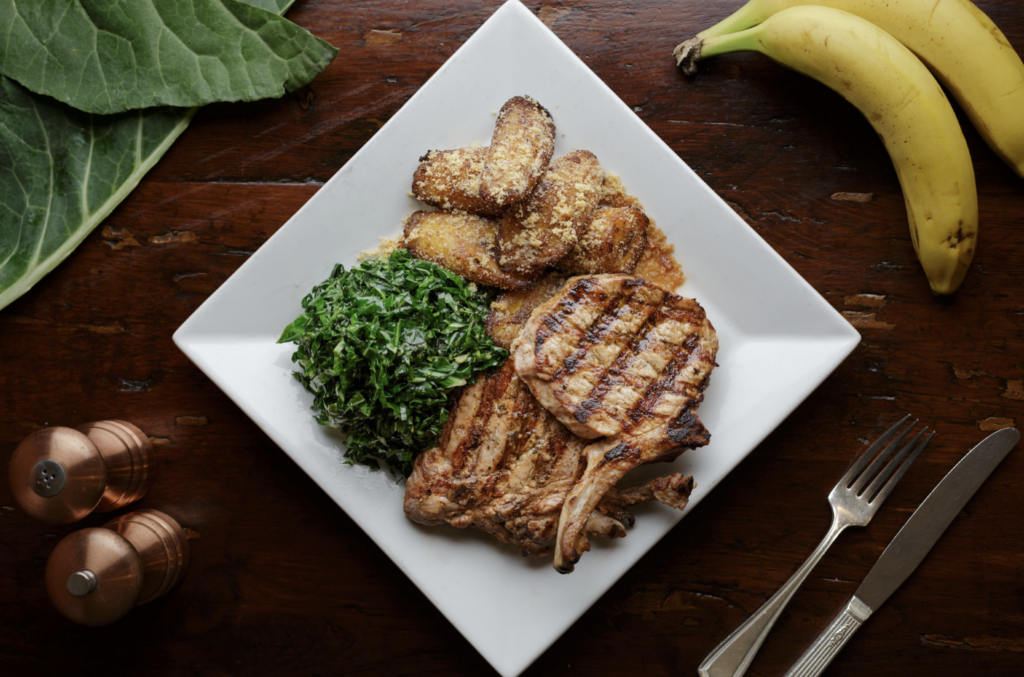
This is peasant food elevated to high art through patience and technique. The richness of the stew is brilliantly counterbalanced by the traditional accompaniments: sautéed collard greens that provide a bitter, earthy tension, farofa (toasted cassava flour) for textural crunch, and fresh orange slices to deliver a necessary hit of bright acidity to cleanse the palate. For a deeper understanding of the chemical transformation that occurs during this type of slow, wet-heat cooking, the Serious Eats guide to the science of braising perfectly details why time and temperature are the most crucial ingredients in a stew.
| The Feijoada Component | The Culinary Function |
| Slow-Braised Pork & Black Beans | Provides the rich, heavily gelatinized, umami-driven foundation of the dish. |
| Toasted Farofa | Adds a necessary, dry textural crunch to contrast the soft, wet stew. |
| Garlic Sautéed Collards | Introduces an earthy bitterness that cuts through the heavy animal fats. |
| Fresh Orange Slices | Delivers sharp, immediate citrus acidity to reset the palate between bites. |
An Ambiance Built on Memory
Atmosphere always dictates expectation. When Gonçalves expanded the restaurant during the pandemic, he created a dining room that feels like a lush, tropical refuge. The canopy of florals suspended from the lofty ceilings and the rustic wooden tables provide a striking visual warmth. The walls are lined with antique copper pots—a direct homage to his grandmother’s cookware back in southern Brazil.
This deep sense of personal history permeates the entire building, much like the dedication to hospitality demonstrated by our own Demetri Malki at De Novo. When an owner is physically present and deeply emotionally invested in their space, the diner feels it immediately. Samba Montclair is not just feeding people; it is actively preserving and celebrating a culture. Chef Gonçalves has taken his heritage, combined it with his personal dietary truth, and built one of the most vital, compelling dining experiences in New Jersey. As a fellow chef, I can offer nothing but my utmost respect.