
There is a distinct moment of exhaustion that hits the average commuter right as the train pulls into the station. The workday is over, but the prospect of navigating a kitchen to prepare a weeknight dinner suddenly feels like an insurmountable task. In Montclair, the default solution for decades was to settle for fast, structurally compromised food in a cardboard box. But when a culinary hub is literally built into the transit station, the entire paradigm of off-premise dining shifts.
Ordering takeout should not mean surrendering your standards. De Novo European Pub has recognized that a significant portion of their clientele requires the sophistication of their dining room packaged for the living room. By engineering a takeout program that prioritizes thermal retention, moisture control, and strategic menu selection, they have effectively allowed diners to bring the “Pub-Plex” experience home.
Executing high-end takeout is fundamentally a battle against time and physics. The moment a hot dish leaves the pass, it begins to degrade. Understanding how De Novo fights this degradation—and how the diner can strategically order to mitigate it—is the key to a flawless weeknight meal.
The Architecture of Proper Packaging
Temperature degradation and moisture accumulation are the natural enemies of off-premise dining. If a kitchen casually tosses a hot, crispy item into a completely sealed plastic container, the resulting steam will destroy the texture before the commuter even reaches their front door. De Novo approaches this logistical hurdle with the same discipline they apply to their plating.
The packaging is deliberately selected to manage airflow. Hot, braised dishes are secured in tightly sealed, insulated containers to trap the ambient heat, while items requiring structural tension, like the house-made brioche of the Black Angus Burger, are packaged to allow excess steam to vent. This prevents the bread from disintegrating during the short drive home.
The kitchen also understands the necessity of component separation. Dressings, acidic vinaigrettes, and delicate sauces are strictly containerized on the side. This prevents the delicate greens of a chopped salad from wilting into a lifeless state. It is a meticulous approach that demands the diner take a minute to assemble the final product, ensuring the dish tastes as the chef intended rather than as a homogenous, soggy mass.
Strategic Menu Selection for the Commute
Not all dishes are created equal when it comes to travel. A knowledgeable diner understands that the key to exceptional takeout in Montclair is ordering items that possess the structural integrity to withstand a ten-minute commute.
Braised meats and heavy, complex sauces travel exceptionally well because their long cooking times render them almost immune to short-term temperature drops. De Novo’s signature braised short rib or the Mushroom Pappardelle with whipped truffle ricotta actually benefit from a few extra minutes of resting in their own ambient heat, allowing the starches to further absorb the sauces.
Conversely, ordering delicate fried items requires a faster commute and immediate consumption. The kitchen does an admirable job of venting their crispy calamari, but the diner must respect the limitations of the fryer off-site.
| Dish Profile | The Commute Viability | The Reheating Strategy |
| Braised Short Rib & Heavy Pastas | Excellent. Retains heat beautifully; sauces continue to bind to the starch during travel. | Gentle stovetop heating with a splash of water to revive the emulsion. |
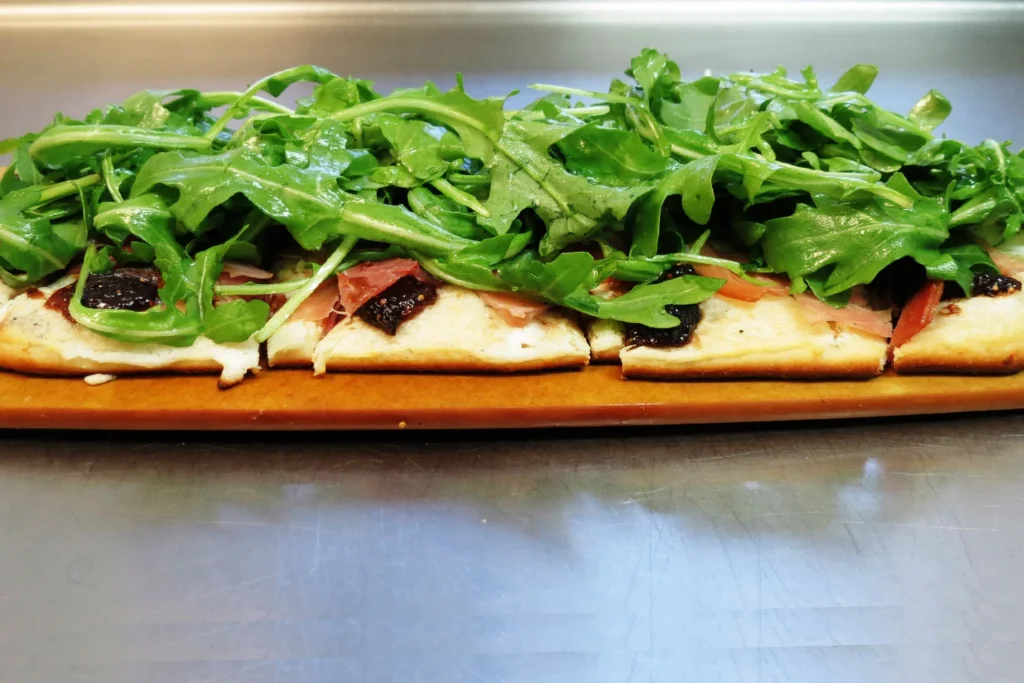
| Wood-Fired Flatbreads | Strong. The sturdy crust holds its tension well if boxed with proper ventilation. | Five minutes in a 400°F oven directly on the rack restores the crisp exterior. |
| The Black Angus Burger | Moderate. Requires immediate consumption to prevent the juices from overwhelming the house-made brioche. | Do not reheat. Enjoy immediately upon arriving home. |
The Raw Advantage of the Sushi Counter
Perhaps the most brilliant aspect of the De Novo takeout operation is the integration of Chef Kenny Mar’s sushi program. While hot food battles the physics of steam and heat loss, high-end sushi bypasses these issues entirely. It is, by its very nature, the ultimate off-premise meal.
When you order from the sushi bar, the focus shifts from temperature retention to pristine sourcing and delicate handling. The Bluefin Tuna and Yellowtail Belly rolls are meticulously packed to prevent crushing, and the cool, ambient temperature of an evening commute is perfectly suited to preserve the buttery texture of the fish. Bringing home a curated selection of Daikichi legacy rolls elevates a standard Tuesday night into a highly composed omakase experience, all without having to turn on a single burner in your own kitchen.
Recreating the Pub-Plex at Home
The final step of the takeout experience rests entirely on the diner. Eating high-end European pub fare directly out of a plastic container is a disservice to the kitchen’s labor. To truly capture the restaurant’s atmosphere, the meal requires proper staging.
Take the extra three minutes to transfer the Mushroom Pappardelle to a warmed ceramic bowl. Pour the side of pan sauce deliberately over the agnolotti. Plate the nigiri on a proper platter. If you find that the journey has tightened a pasta sauce too much, a quick, knowledgeable correction is required. For an excellent breakdown on how to properly revive delicate starches, this Serious Eats guide to reviving leftover pasta is an indispensable resource for understanding the mechanics of starch and moisture.
By combining the culinary intelligence of the De Novo kitchen with a few minutes of mindful plating at home, the stress of the commuter lifestyle effectively disappears. It proves that you do not need to be sitting in the dining room to experience the craftsmanship of Montclair’s best European pub.