

By Miles Whitmore | March 26, 2026
There is a distinct, measurable shift in the energy of Upper Montclair the moment the 5:30 PM train pulls into the station. For most suburban transit hubs, this hour marks a frantic dispersal as commuters rush to their cars, eager to leave the infrastructure of the workday behind. But at De Novo, the historic station itself is the destination.
The restaurant achieves something remarkable by existing exactly where the commute ends. It acts as a transitional chamber between the relentless pace of Manhattan and the quiet comfort of Essex County. This is not merely a bar located near a train track; it is a meticulously designed European pub that utilizes the actual bones of the transit system to dictate a new rhythm for the evening.
Understanding how a restaurant orchestrates this daily transition requires looking past the menu and examining the interplay of architecture, lighting, and hospitality. When executed correctly, a space can completely reset a diner’s internal clock the moment they walk through the sweeping arched doorways.
The Architecture of the After-Work Transition
The physical space of a restaurant always dictates its behavioral norms. The Upper Montclair station was constructed in the late 19th century in a striking Mission style, built to signal permanence and prosperity. De Novo’s design leans heavily into these original elements rather than trying to mask them. The reclaimed wood, heavy masonry, and warm brass accents immediately ground the room, stripping away the sterile, fluorescent tension of office buildings and commuter rail cars.
As the sun sets, the restaurant’s lighting scheme purposefully deepens the shadows along the high ceilings. This creates a psychological boundary. You are no longer in a place of transit; you have arrived in a place of permanence. This kind of spatial transformation is a textbook example of successful adaptive reuse of historic buildings, where the history of a structure enhances its modern function rather than competing with it.
The communal lounge area acts as the primary anchor during this golden hour. It invites a sociability that feels organic. The layout naturally encourages patrons to drop their briefcases, unbutton their collars, and transition seamlessly into a dining mindset.
Pacing the Evening with the Right Pour
The 5:30 PM crowd does not usually want a complex, heavy meal the moment they sit down. They require a palate cleanser for the day. This is where De Novo’s beverage program demonstrates serious operational intelligence. The transition from commute to cocktails demands precision and speed, without sacrificing the craft of the pour.
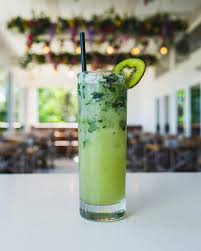
A well-constructed cocktail or a crisp, perfectly chilled glass of Sancerre serves as the immediate antidote to the rush hour. The bartenders here operate with a quiet efficiency that acknowledges the tired commuter’s need for a seamless handoff. The drinks are balanced, avoiding the overly sweet profiles that plague lesser neighborhood bars, and lean instead toward classic, spirit-forward architecture that commands slow sipping.
This deliberate pacing buys the diner time. It allows the stress of the day to dissipate before the conversation inevitably turns toward the dinner menu.
| The Commuter Timeline | The Psychological Shift | The Culinary Prescription |
| 5:30 PM – The Arrival | Decompression from the city. Seeking immediate transition. | A sharply constructed classic cocktail or a dry, mineral-driven white wine. |
| 6:00 PM – The Settlement | Sociability returns. The transition to the evening is complete. | Charcuterie boards and wood-fired flatbreads to encourage sharing. |
| 6:45 PM – The Commitment | Full dining mindset. Ready for culinary depth and complexity. | House-made pastas or omakase-level sushi at the counter. |
Small Plates That Bridge the Gap
A transitionary hour requires transitionary food. To move a dining room from the cocktail hour into a full dinner service, the kitchen must provide dishes that are substantial enough to satisfy immediate hunger, but refined enough to spark culinary interest.
De Novo’s approach to small plates handles this beautifully. Instead of standard bar snacks, the kitchen offers composed bites that demand attention. A platter of meticulously sourced charcuterie or a beautifully charred flatbread does more than absorb alcohol. These dishes establish the quality baseline for the rest of the meal. They tell the diner that the kitchen is operating with serious intent, subtly encouraging the table to stay past the initial drink and commit to a longer, more elaborate dinner.
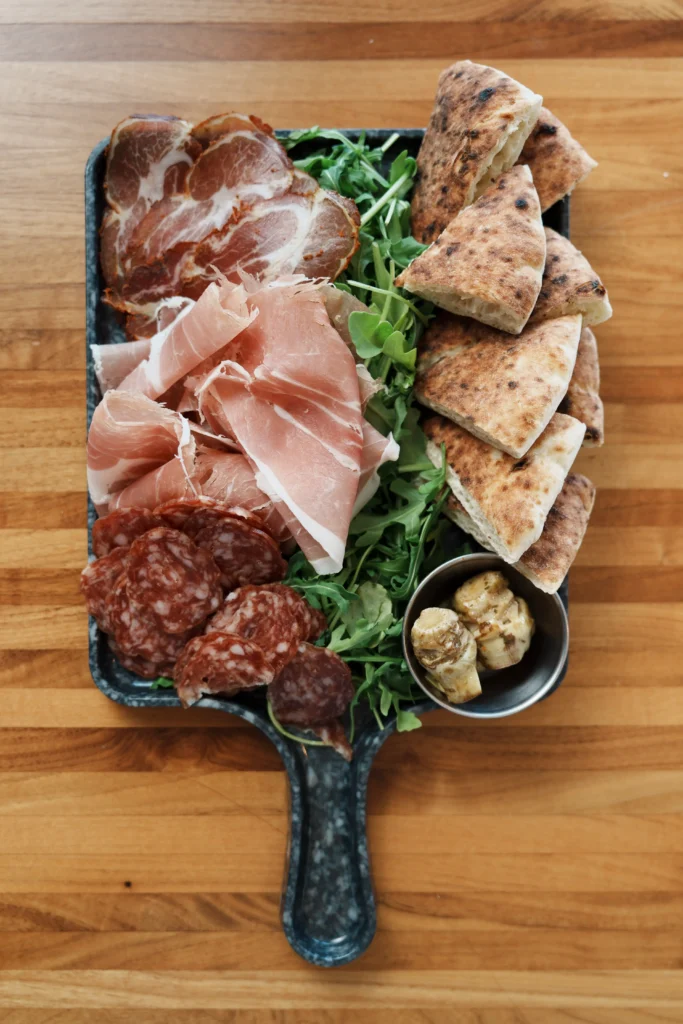
The grilled octopus, with its red wine stewed onions, is particularly effective here. It bridges the gap between casual pub fare and high-end Mediterranean cooking, perfectly capturing the restaurant’s dual identity.
A Masterclass in Adaptive Hospitality
What makes De Novo so vital to the local ecosystem is its profound understanding of its own context. It does not ignore the trains rumbling by just outside its windows; it incorporates that kinetic energy into its own atmosphere. The restaurant honors the Upper Montclair Train Station history by continuing its legacy as a vital community hub, merely swapping tickets for menus.
The 5:30 PM shift is the daily proving ground for this concept. It requires a restaurant to be a refuge, a social club, and a premier dining destination all at once. By mastering the delicate architecture of the after-work transition, De Novo ensures that the best part of the daily commute is the moment it finally ends.